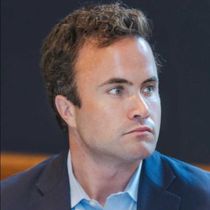
WASHINGTON, D.C. — Tech journalist Kara Swisher issued a stark warning about the rising influence of billionaires on American politics, describing their growing power as a dangerous oligarchy akin to Russia’s.
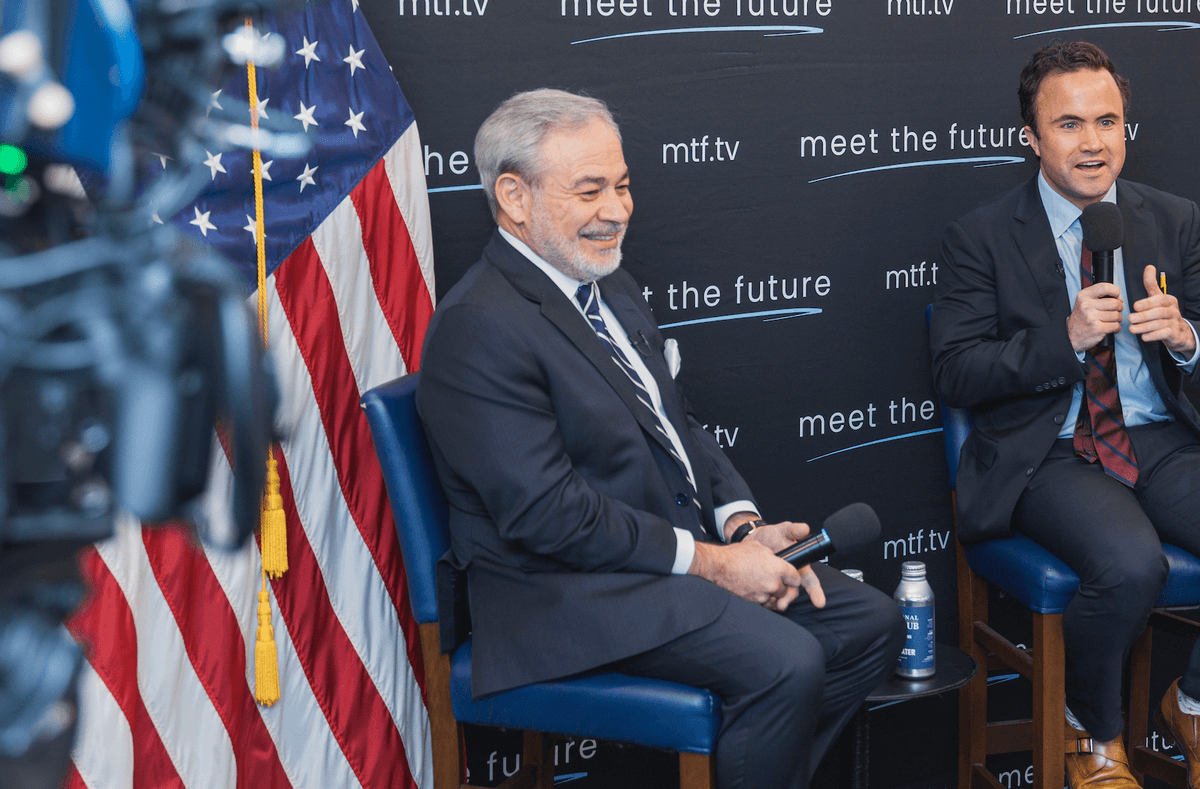
Speaking at a forum hosted by mtf.tv's meet the future fellowship program at George Washington University, Swisher argued that tech moguls face mounting pressure to align with powerful political figures—or risk severe consequences.
“It’s cronyism writ large,” Swisher said. “Some of them get pushed out of windows when they don’t cooperate. Others thrive, but it’s all about power and obedience.”
The discussion, which also featured Lt. Gen. (Ret.) Mary O’Brien, and mtf.tv founder Kevin Cirilli, examined the collision between technology, politics, and democracy in the digital age.
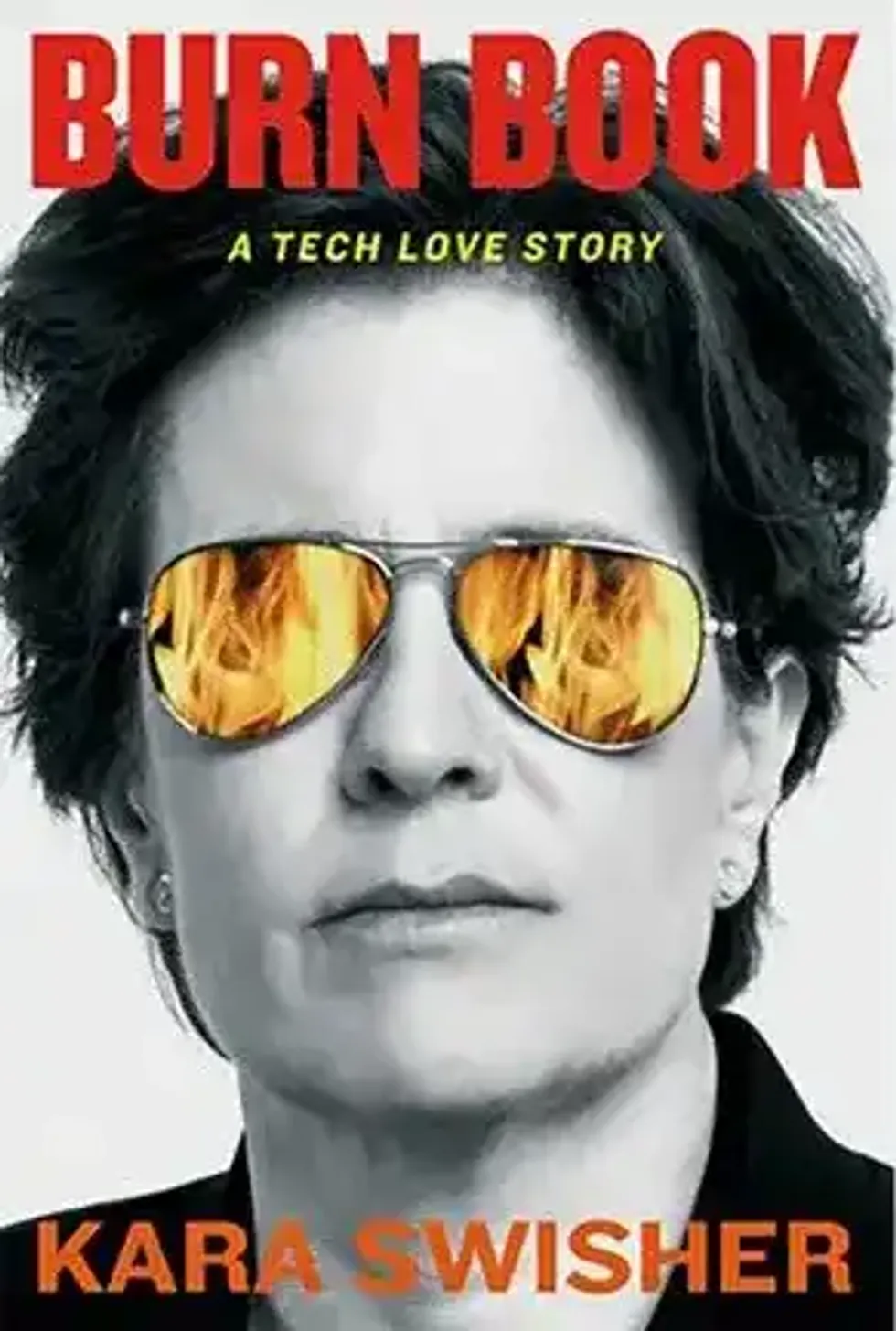
Swisher’s remarks follow the release of her latest book, Burn Book: A Tech Love Story, a New York Times bestseller. The book, part memoir and part exposé, critiques Silicon Valley’s transformation from a hub of innovation to a bastion of outsized influence on U.S. politics and society.
Drawing on decades of experience covering the tech industry, Swisher recounts her interviews with prominent figures such as Steve Jobs, Jeff Bezos, Elon Musk, and Mark Zuckerberg, connecting the dots between tech’s rise and its impact on democracy.
Swisher also highlighted recent incidents involving Amazon founder Jeff Bezos, noting that pressure from former President Donald Trump led Bezos to withdraw his endorsement for Vice President Kamala Harris.
“[Bezos] is being obedient because he wants contracts for Amazon and, secondly, he’s worried about going to jail,” Swisher said, citing what she described as Trump’s history of strong-arming tech leaders. “Trump attacked Jeff Bezos quite a bit…he attacked Mark Zuckerberg, threatening him with prison.”
O’Brien, whose firm is dedicated to advancing national security through strategic leadership in cybersecurity, emerging technologies and economic growth., underscored the national security risks tied to tech’s political power.
“Today, national security is about our finances,” O’Brien said. She raised concerns about allowing tech CEOs to influence election information, asking, “What options do we have to prevent that?”
Swisher pointed to the costly Dominion Voting Systems lawsuit as one of the few instances of accountability in the spread of misinformation, but noted, “The number [of laws] regulating tech companies on speech is zero.”
— Charles Roth-Douquet, mtf media fellow, NYU ‘25, LinkedIn.