Originally published in iHeart.
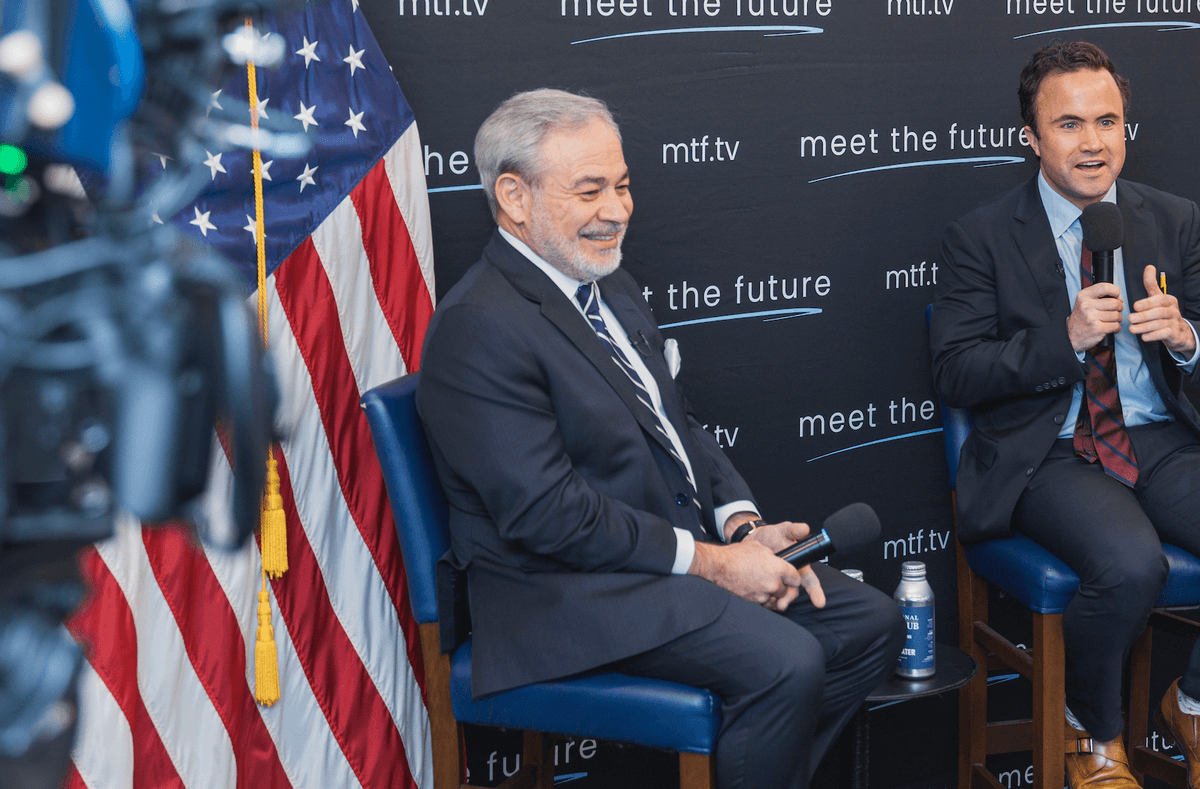
WASHINGTON, May 26, 2026 (mtf.news) — NASA Administrator Jared Isaacman on Tuesday outlined an ambitious and urgent U.S. space policy centered on building a sustained lunar presence, announcing new contracts for rovers and landers and setting target timelines for the first robotic Moon Base missions to the lunar South Pole ahead of crewed Artemis landings.
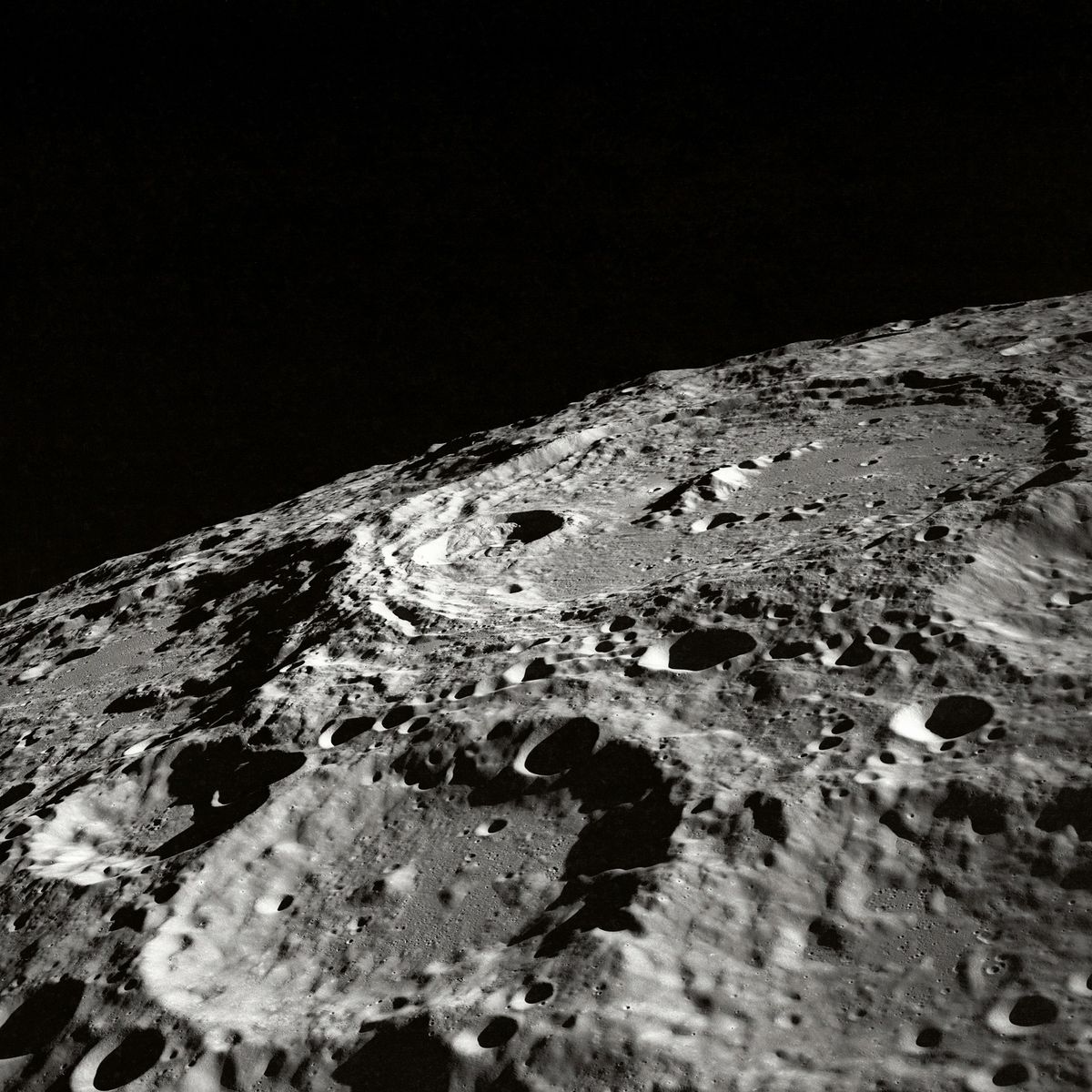
Speaking at NASA Headquarters, Isaacman framed the Moon Base as America’s first outpost on another celestial body and a critical step in a broader strategy to master operations in demanding environments, advance science, capture economic and technological gains, and prepare for future Mars missions.
“The Moon Base will be America’s and humanity’s first outpost on another celestial world,” Isaacman said. “Every mission, crewed and uncrewed, will be a learning opportunity as we return to the lunar surface, build the infrastructure to stay, and master the skills required to live and operate in one of the most demanding and dangerous environments imaginable.”
Initial Missions Target South Pole Operations
NASA detailed three initial Moon Base missions designed to demonstrate capabilities and reduce risk for future crewed operations.
Moon Base I, targeted for no earlier than fall 2026, will use Blue Origin’s Blue Moon Mark 1 Endurance lander to deliver payloads to the Shackleton Connecting Ridge, including instruments to study thruster interactions with the lunar surface and improve positioning accuracy for orbiting spacecraft.
Moon Base II, planned for later this year, will deliver more than 1,100 pounds of cargo on Astrobotic’s Griffin lander, including Astrolab’s FLIP rover, to mature mobility systems.
Moon Base III, also targeted for this year, will fly Intuitive Machines’ Nova-C Trinity lander carrying the Lunar Vertex investigation to study lunar swirls, along with payloads from ESA and the Korea Astronomy and Space Science Institute.
These missions mark the start of more than a dozen robotic flights expected to be announced this year under the Moon Base program.
Contracts Strengthen Lunar Mobility and Delivery
NASA awarded Astrolab $219 million and Lunar Outpost $220 million to develop the first phase of lunar terrain vehicles under the Lunar Terrain Vehicle Services contract. The awards support crewed and uncrewed mobility systems for deployment by 2028 through the CLPS initiative.
Blue Origin received $188 million, with an option period worth an additional $280.4 million, for cargo lander task orders under CLPS 1.0 to support payload delivery to the South Pole region.
CLPS 2.0 and Expanded Commercial Opportunities
The agency also outlined the next phase of its Commercial Lunar Payload Services program. The CLPS 2.0 request for proposals, released May 15 with responses due June 30, introduces greater flexibility for turn-key services or hardware delivery. NASA said additional task order opportunities under both CLPS 1.0 and 2.0 will be available in the coming months as technology demonstrations are defined.
Moonfall Drone Mission Update
NASA provided an update on Moonfall, a 2028 mission that will send four drones to perform short hops on the lunar surface to survey potential Artemis landing sites. Firefly Aerospace was selected to build the spacecraft that will transport the drones to the Moon. After their final flights, the drones’ survive-the-night payloads will continue operating for several months, contributing to sustained presence at the South Pole.
U.S. Space Economy Leadership: Isaacman’s Strategic Push
Isaacman has positioned lunar infrastructure development as central to a larger economic imperative: securing U.S. leadership in the expanding global space economy amid intensifying international competition.
The global space economy reached approximately $626 billion in 2025 and is projected to surpass $1 trillion by the early 2030s, with commercial activity comprising roughly 78-80% of the total. Broader forecasts suggest the sector could reach as high as $1.8 trillion by 2035.
Early assessments of a lunar economy project it could exceed $170 billion by 2040, driven by mobility, logistics, data services, and in-situ resource utilization.
By directing contracts to U.S. firms including Astrolab, Lunar Outpost, Blue Origin, Astrobotic, and Intuitive Machines, NASA is accelerating domestic industrial capabilities in mobility, landing systems, and payload delivery. Tuesday’s awards support the administration’s national space policy priority of establishing an enduring lunar presence that can stimulate commercial activity and reinforce U.S. technological and economic competitiveness as other nations advance their own lunar programs.
Path to Sustained Presence
Isaacman said the effort aligns with increased launch cadence, expanded industry partnerships, and agency coordination. Additional CLPS task awards for Moon Base payloads are expected in the coming weeks.
For more on Moon Base, visit nasa.gov/moonbase.