Subscribe to my YouTube channel here. THANK YOU.
MONEY TALKS // MTF AT JACKSON HOLE
🏔️💸 JACKSON HOLE: CRYPTO AT A CROSSROADS. The Fed’s annual retreat begins Thursday, and all eyes are on Jerome Powell’s Friday speech. With the dollar teetering and digital assets on edge, this year’s meeting could shape the money landscape through the end of 2025.
—> WHY THIS MATTERS FOR YOU: If Powell hints at a September rate cut, capital could surge back into crypto — boosting Bitcoin, Ethereum, and altcoins. If he stays hawkish, markets may bleed further. Either way, the old system is under pressure, and crypto stands ready.
—> THE BIG SIGNAL: Crypto markets have stalled just below $4T. Bitcoin slipped under $113K, Ethereum hovers near $4,100, and altcoins are wobbling. Meanwhile, Coinbase and MicroStrategy are sliding, showing how tightly digital assets are tied to liquidity expectations.
—> THE FUTURE MOVE: With bond markets nervous, inflation sticky, and U.S. debt topping $37T, trust in traditional finance is weakening. Whether the Fed cuts or not, the monetary experiment is reaching a limit. Crypto is emerging as the alternative — a fast hedge if cuts come, or slow-burn digital gold if inflation grinds on.
Bottom Line: This Jackson Hole isn’t just about interest rates — it’s about where the next era of value flows. The Fed may blink. Crypto doesn’t have to.
Source: Yahoo Finance
hello, future. it’s me, kev.
…and this is a dispatch from the digital frontier. It’s time to meet the future NOW — with the latest on markets, tech, and freedom. The day is 232. The year is 2025. The planet is Earth.
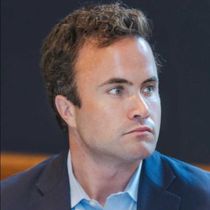
The planet has complete 63.56 percent of its orbit around the Sun. My name is Kevin Cirilli —> LinkedIn. Spotify. Sign-up to receive the future in your inbox here.
Back to the future...
SPACE
🛰️☄️ DARK COMETS: EARTH’S INVISIBLE GHOSTS
A Japanese spacecraft is headed for a celestial enigma — a "dark comet" racing silently through space. These objects, neither fully asteroid nor comet, may hold the key to one of humanity’s oldest mysteries: how Earth got its water. Or they could be a hidden threat lurking in our planetary neighborhood. The future of planetary defense — and our past — could hinge on what it finds.
—> WHY THIS MATTERS FOR YOU:
If dark comets are ice-rich time capsules, they might explain how life began here. But their erratic, invisible movements also suggest something more urgent: we may not see the next big Earth impactor coming until it's too late. They don’t glow. They don’t warn. They drift.
—> THE BIG SIGNAL:
Since 2016, 14 dark comets have been discovered — space rocks that accelerate like comets but show no visible tails or outgassing. Some, like 'Oumuamua, came from outside our solar system. Others, like 2003 RM, roam dangerously close to Earth. All defy explanation. Their subtle course changes could shift them hundreds of kilometers over time — enough to rewire our collision models.
—> THE FUTURE MOVE:
Hayabusa2 — fresh off a successful mission to asteroid Ryugu — is now en route to one of these ghost objects: 1998 KY26. It’s tiny (just 30m across), fast-spinning, and now officially a dark comet. The probe is expected to arrive in 2031, and may observe, land, and even blast its surface to see what’s beneath. Meanwhile, telescopes like JWST and Rubin Observatory will search for more — and track those already drifting near Earth.
Bottom Line: Dark comets may rewrite our understanding of life’s origins — and the limits of our planetary defense. We thought we’d mapped the threats. We haven’t. The next cosmic surprise may already be on its way.
Source: BBC Future
QUANTUM // ARTIFICIAL INTELLIGENCE
🧠💻 QUANTUM COMPUTERS: THE NEXT BIG THING. A top expert at Bank of America says quantum computers might be even more powerful than AI — and could change the world in huge ways. These machines could help cure diseases, break secret codes, and even decide which countries become tech leaders in the future.
—> WHY THIS MATTERS FOR YOU: Quantum computers could one day read massive amounts of data and solve problems no regular computer can. But they could also break the codes that keep our information safe online. That means we need to get ready — fast.
—> THE BIG SIGNAL: Most of the world’s data isn’t used, because today’s computers aren’t strong enough. Quantum computers could unlock this hidden information by using super tiny particles called qubits, which work in strange ways regular bits (1s and 0s) can't. One test showed a quantum chip solving a problem in 5 minutes that would take normal computers longer than the age of the universe.
—> THE FUTURE MOVE: Experts think these computers will become useful by 2033. They won’t be in your backpack or on your desk, though — they’ll live in special labs and data centers, helping with things like medicine, cybersecurity, and solving giant math problems. The U.S., China, and Europe are spending big to lead this race. Others, like Israel, are falling behind.
Bottom Line: Quantum computers are coming, and they could change everything — from how we protect our secrets to how we cure disease. But if we’re not careful, they could also create new dangers we aren’t ready for.
Source: The Quantum Insider
HEALTH
🩺🤖 AI + MAMMOGRAPHY: A QUIET REVOLUTION IN CANCER DETECTION. A massive new study of over 42,000 women shows that AI can detect more breast cancers — including aggressive tumors missed by doctors — with sensitivity even higher than traditional double readings by radiologists.
—> WHY THIS MATTERS FOR YOU: More than 1 in 4 cancers found by AI alone were invasive, and many were large, fast-growing tumors. That means earlier detection, fewer missed diagnoses, and better chances for survival. In the future, AI could become a silent second opinion on every mammogram — and it might just save your life.
—> THE BIG SIGNAL: When paired with a single radiologist, AI achieved 60.2% sensitivity, compared to 51.7% with two doctors and only 46.9% with one. Even on its own, AI detected cancers that radiologists missed — including future cancers and interval cancers, the ones that often slip through.
—> THE FUTURE MOVE: As AI systems evolve, they may spot deadly cancers years earlier, reduce false positives, and take pressure off overworked radiologists. The healthcare AI race isn’t just about speed or cost — it’s about survival. One day, an algorithm may notice what a human eye missed, and change a life forever.
Bottom Line: This study doesn’t just validate AI in breast cancer screening — it signals a coming shift in how we diagnose disease: faster, smarter, and earlier than ever before.
Source: Diagnostic Imaging
ONE MORE THING
With gratitude,
Kev
ABOUT mtf.tv’s meet the future: mtf.tv’s meet the future is a cutting-edge platform focused on addressing key challenges at the intersection of national security, technology, and business. With a mission to embrace freedom to meet the future’s challenges and opportunities, mtf.tv offers forward-thinking media offerings and forums.
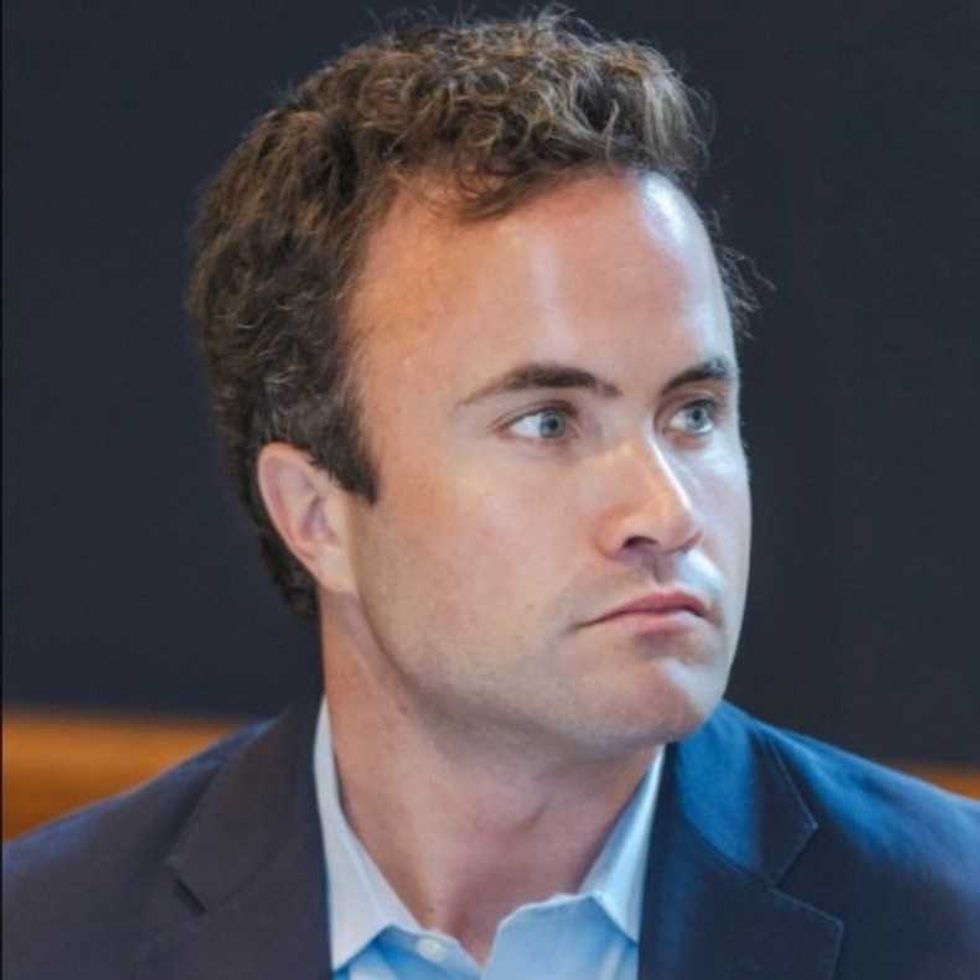 mtf.tv’s meet the future founder Kevin Cirilli.