Welcome to mtf.tv's DECISION MAKER BRIEFS... your future-proof memo to orient toward infinity (and beyond) with the futurists on the frontlines of building tomorrow... today.
DECISION MAKER BRIEF: AI + HUMAN DIGNITY – RESKILLING THE WORKFORCE FOR THE SECOND INDUSTRIAL REVOLUTION: We stand at the dawn of a profound societal shift: the Fourth (or Fifth) Industrial Revolution, fueled by artificial intelligence, quantum computing, fusion energy, and space exploration. These forces promise unprecedented progress — yet they also spark real economic anxiety. Millions worry that AI will replace jobs in refineries, healthcare, manufacturing, and beyond, threatening middle-class stability and the ability to rise through the ranks.
The solution? Not fear, but rapid, dignified reskilling and upskilling — turning AI into a powerful ally that augments human potential rather than eliminating it.
FUTURIST: Michael E. Hansen, CEO of Cengage Group. A global leader in education technology with a mission centered on Education for Employment. Hansen, who immigrated to the U.S. from Germany, brings deep insight into bridging learning and real-world work. Over 70% of Cengage’s offerings are now digital, focusing on tangible skills that deliver career outcomes. Featured on HELLO FUTURE with host Kevin (keV), founder of MTF.tv.
INFLECTION POINT In this HELLO FUTURE conversation, Kevin and Michael Hansen tackle the anxiety rippling through the workforce. Traditional education often hands out degrees without guaranteeing jobs — professors focus on credentials, not employability. The result: millions of graduates enter the market ill-prepared.
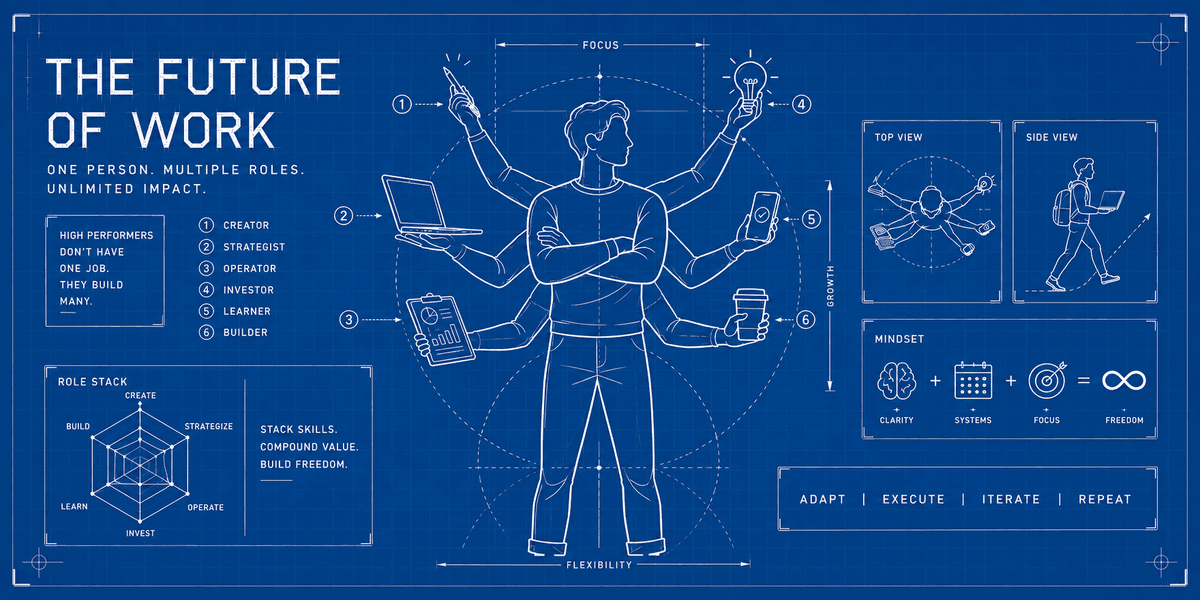
Hansen argues we must bring real-world jobs into the classroom, now possible at scale thanks to AI. For those already working, the pace of change demands continuous reinvention. Where past generations might pivot every few years, today’s professionals may need to refresh skills every 6–8 months.
Smart employers recognize this. Instead of costly mass layoffs and rehiring, leading companies are investing in reskilling and upskilling — training existing talent while they remain productive and paid. AI accelerates this by personalizing learning, removing menial tasks, and allowing humans to focus on ingenuity, creativity, and care.
WHY YOU CARE: In an era of rapid transformation, workforce adaptability determines economic winners and losers. Communities that embrace reskilling will see stronger middle-class growth, reduced anxiety, and shared prosperity. For companies, it means retaining institutional knowledge, lowering turnover costs, and staying competitive. For individuals — whether a refinery worker in their 40s or a mid-career engineer — AI offers faster career pivots without returning to traditional schooling. Ignoring this risks widening inequality; harnessing it builds inclusive growth where technology lifts human potential. National competitiveness hinges on a resilient, continuously learning workforce ready for AI-augmented roles in energy, healthcare, manufacturing, and beyond.
NEAR-TERM CATALYSTS (0–36 MONTHS)
- Next 3–12 months: Leading employers accelerate internal upskilling programs using AI-driven platforms. Surge in demand for skilled trades (electricians, technicians) to support data center and grid modernization. Early pilots show AI effectively augmenting workflows for mid-career professionals.
- Next 6–18 months: Expansion of “Education for Employment” models that blend digital learning with on-the-job training. Growing recognition of trades as high-dignity, high-income paths — with some electricians already earning several hundred thousand dollars annually. Policy and corporate focus on reducing stigma around non-college pathways.
- 2026–2028: Measurable shifts as more industries adopt continuous reskilling. AI tools further personalize training for energy, healthcare, and infrastructure workers. Potential for broader adoption of apprenticeship-style models inspired by successful international systems.
HORIZON SCAN (3–10+ YEARS) By 2030–2035, continuous learning will become the norm across the economy. AI and quantum advances will reshape entire sectors, but human-AI collaboration will create more dignified roles — fewer mundane tasks, more focus on creativity, care, and complex problem-solving. Inspired by Germany’s dual apprenticeship system (which has kept youth unemployment below average for decades by integrating classroom learning with workplace experience as early as middle school), the U.S. could see hybrid models flourish: paid training, clear career ladders, and stronger education-employment links. Long-term success depends on restoring dignity to all work, elevating skilled trades, and ensuring technology serves human flourishing. The winners will be societies that treat reskilling not as a cost, but as the engine of a thriving, optimistic middle class.
MARKET SIGNALS
- AI as accelerator, not replacer: Best implementations embed AI into existing workflows, helping engineers, technicians, and healthcare workers perform better — not replacing them.
- Trades renaissance: Soaring demand for electricians, HVAC techs, and infrastructure roles tied to AI infrastructure; cultural shift needed to remove outdated stigma.
- Education-employment gap closing: Companies moving faster than traditional higher ed; over 70% of Cengage’s portfolio already digital and skills-focused.
- Dignity as competitive advantage: Employers prioritizing purpose, respect, and continuous growth retain talent better amid rapid change.
- International lesson: Germany, Austria, and Switzerland demonstrate that early workplace integration dramatically lowers youth unemployment and builds motivated, skilled workers.
The merging of AI with hands-on professions points to an optimistic future: one where technology removes drudgery and amplifies human ingenuity, purpose, and self-respect.





 Source: The Planetary Society