Welcome to SPACE <GO>, my weekly round-up of all things space business related. Think of it as your weekly launchpad into to the space industry. Connect with me at Space Symposium in Colorado Springs this week! Help me achieve my mission of going to space and back to report on space medicine!
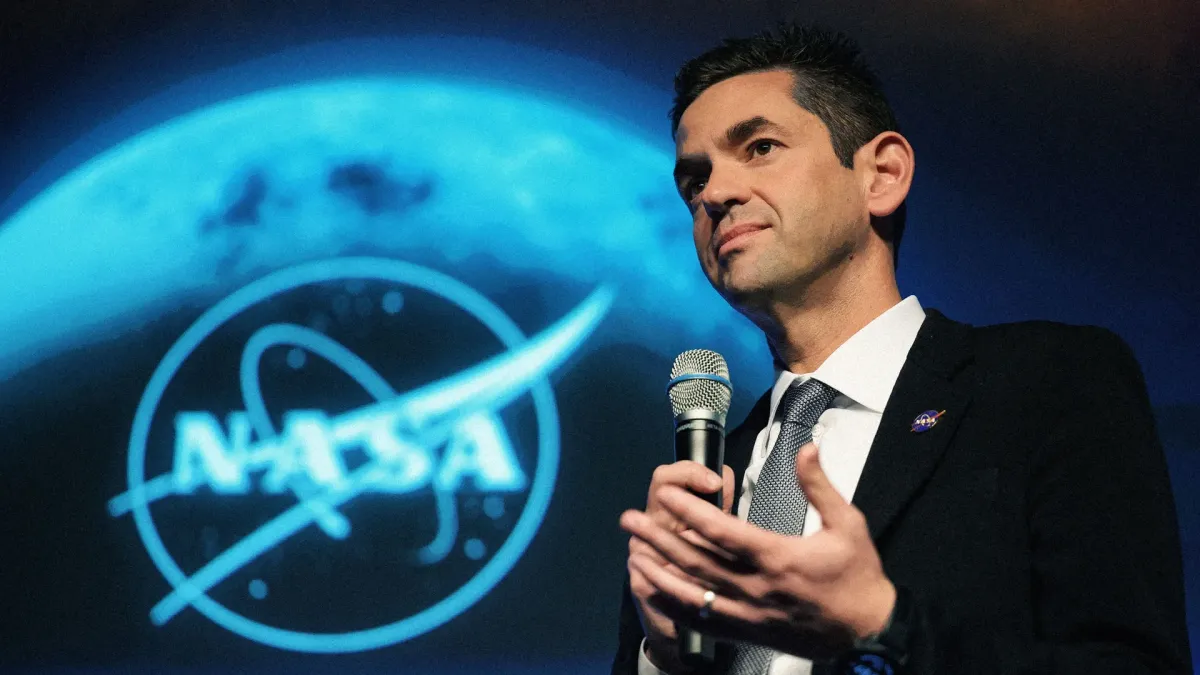
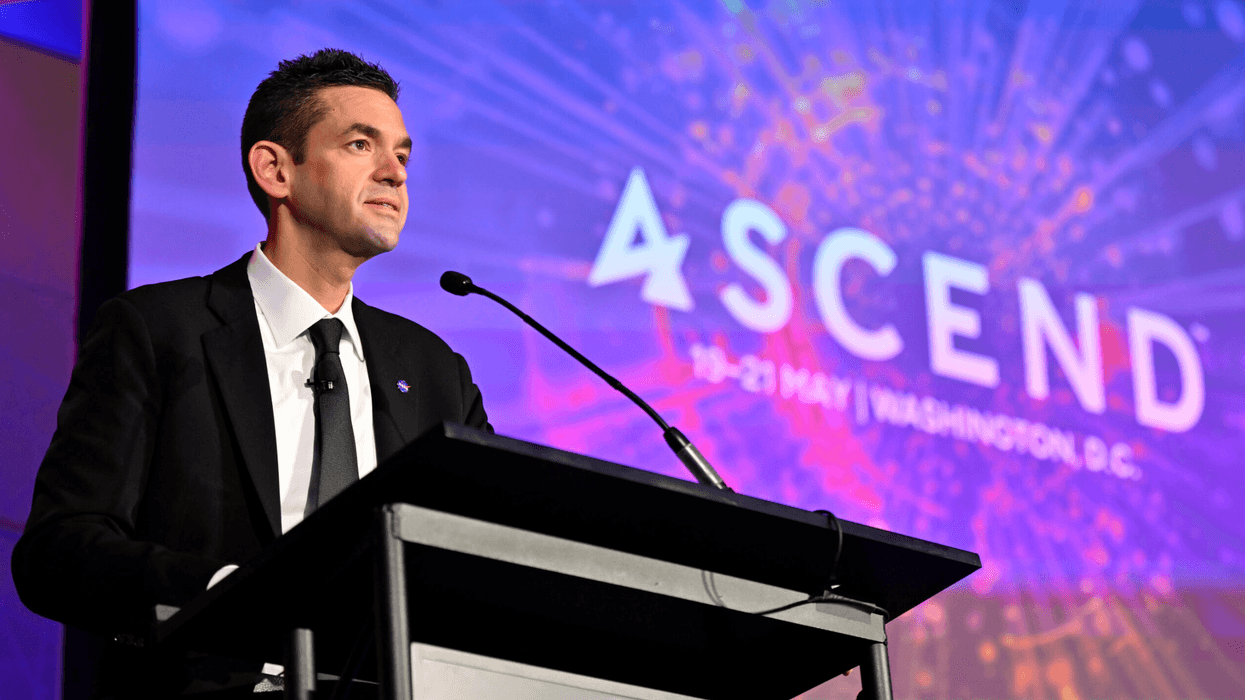
SPACE SYMPOSIUM PREVIEW: WHERE THE FUTURE OF SPACE GETS SHAPED. The Space Symposium in Colorado Springs is the premier global gathering for space exploration, commerce, and national security. In a special preview episode of HELLO FUTURE, Kevin Cirilli sits down with Rich Cooper of the Space Foundation to discuss what to expect at the world’s largest and most influential space conference.
This year’s event will bring together senior leaders from government, military, industry, and international partners to chart the next chapter of human activity in space — from post-Artemis II momentum and commercial lunar infrastructure to cislunar strategy and national security priorities.
INVESTOR TAKE: Space Symposium remains the key annual convening where major contracts, partnerships, and policy directions are previewed and influenced. Expect heavy discussion on accelerating industrial capacity, supply chain expansion, and the growing interplay between civil, commercial, and defense space programs.
Listen here.
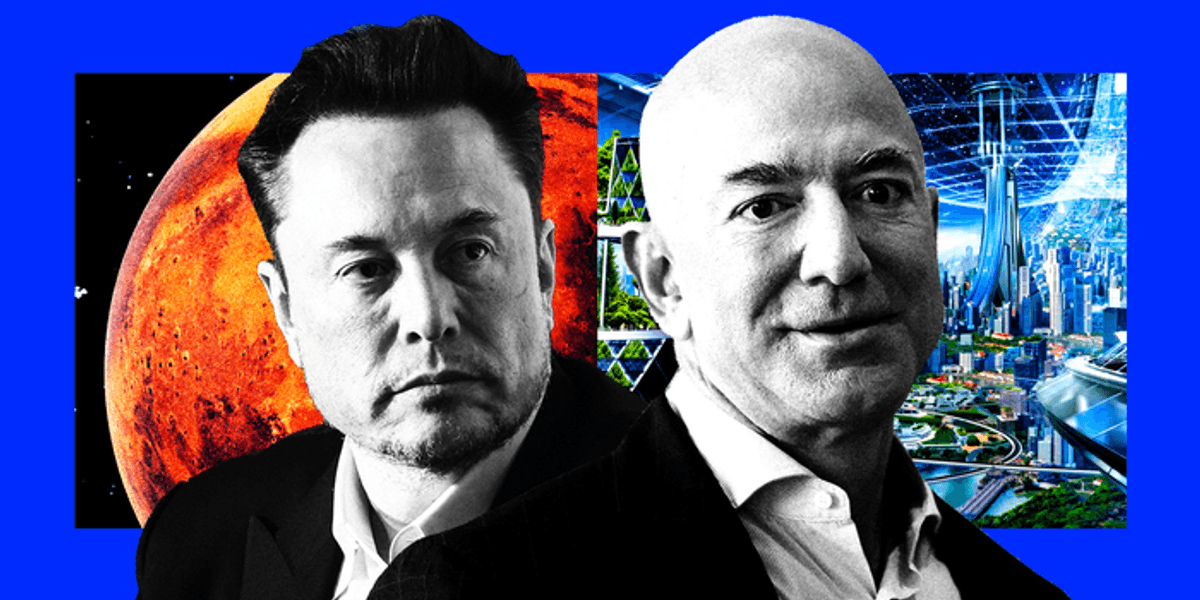
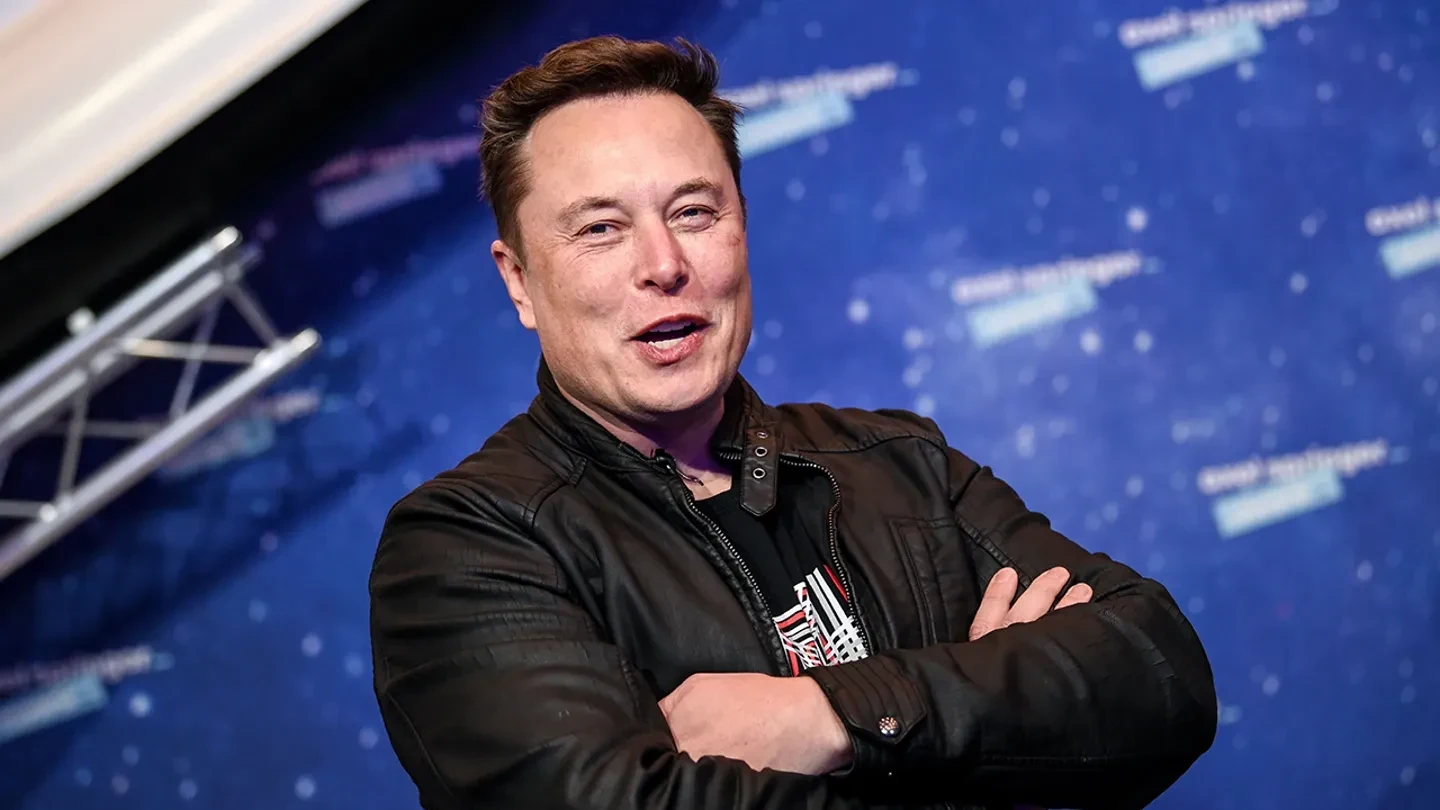
TESLA + SPACEX MERGER SPECULATION IGNITES AS SPACEX IPO LOOMS. Fresh off its blockbuster combination with xAI, SpaceX is now drawing intense investor buzz around a potential mega-merger with Tesla — the “ultimate Musk combination” that could forge one of the most valuable companies in history by uniting EVs, robotics, AI, and space infrastructure under a single roof.
- With SpaceX confidentially filing for what could be the largest IPO ever (targeting a mid-2026 debut and currently valued around $1.25T post-xAI), analysts and retail investors are already debating a follow-on stock-for-stock deal. Some see it accelerating Elon Musk’s AI ambitions — including humanoid robots, autonomous driving, and space-based data centers powered by solar energy — while others warn of conglomerate risks reminiscent of failed empires like GE.
- Musk has highlighted convergence across his companies through new joint ventures like the shared Terafab chip factory and Digital Optimus AI agent, but hasn’t directly addressed merger talk. A deal at current valuations would hand Tesla shareholders a slight premium, though any transaction would require a shareholder vote and could draw antitrust scrutiny.
INVESTOR TAKE: This isn’t just about combining balance sheets — it’s about creating a vertically integrated “Muskonomy” that ties Earth-bound AI execution (Tesla) to off-world infrastructure and compute (SpaceX). For bulls, it’s the holy grail that could supercharge long-term optionality; for skeptics, keeping the companies separate maximizes focus and value. Either way, the SpaceX IPO itself is shaping up as a must-watch event that could reshape the entire Musk ecosystem.
Source: WSJ; YahooFinance
LIGHTEN UP. "Light pollution has brightened Earth by 16% since 2014, but some regions are dimming due to energy-saving policies, wars and disasters.satellites find," via Space.com.
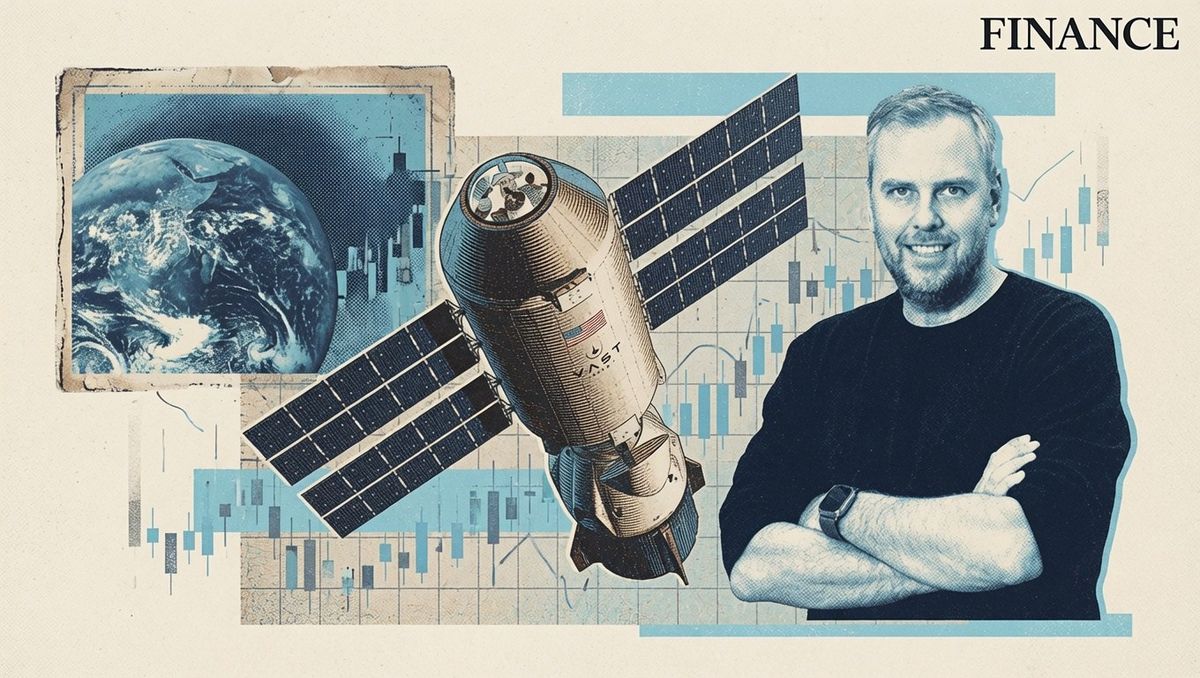
NASA’S COMMERCIAL LEO STATION PROGRAM IS IN FULL PROCUREMENT PARALYSIS — RISK OF U.S. LEO GAP IS RISING. As the ISS retirement clock ticks toward the early 2030s, NASA’s Commercial Low Earth Orbit Destinations (CLD) program remains stuck in limbo. Despite a July 2025 directive to accelerate privately operated stations, the agency has still not issued a final request for proposals — missing its own April 2026 target for awards. Bureaucratic reviews, leadership changes, a government shutdown, and shifting requirements have pushed the timeline into uncertainty.
WHY IT MATTERS: The CLD program was designed to ensure a seamless handoff from the aging International Space Station to privately owned and operated replacements. Without it, the U.S. risks becoming the first nation in over 25 years to lose continuous crewed presence in low Earth orbit — handing strategic, scientific, and commercial advantage to China, whose Tiangong station is already operational and actively expanding with international partners. Private companies (Axiom Space, Vast, and Starlab Space) have raised capital and are building hardware, but they urgently need firm NASA anchor contracts to sustain investor confidence and scale operations.
- The three leading contenders — Axiom Space, Vast, and Starlab Space — have raised private capital and are advancing hardware (Haven-1 targeted for 2027, Axiom modules in late 2020s), but investors are growing impatient. Companies need firm government commitment and anchor tenancy to unlock further funding. Adding to the frustration, NASA recently floated a new concept of ISS-attached modules instead of fully independent free-flying stations, drawing sharp criticism from industry.
- Congress is pushing back: a Senate authorization bill would extend the ISS and require NASA to select at least two commercial providers, citing the delays’ damage to private investment and planning. Meanwhile, China’s operational Tiangong station continues to expand, positioning Beijing to potentially capture international partners if the U.S. allows a crewed LEO gap.
INVESTOR TAKE: This is a high-stakes inflection point for commercial space stations. Continued drift risks capital flight from the sector and weakens the business case for microgravity manufacturing, research, and tourism. A swift, decisive NASA commitment (ideally to multiple providers) could catalyze private investment and secure America’s post-ISS LEO presence. Prolonged indecision, however, hands strategic and commercial advantage to faster-moving competitors — both domestic and Chinese. The window for a smooth transition is closing fast.
Source: SpaceDaily
SPACE FORCE SEEKS $71 BILLION IN FY2027 — AN 80% JUMP FROM CURRENT LEVELS. The White House’s newly released budget proposal delivers a massive funding surge for the U.S. Space Force, boosting its topline from roughly $40 billion to $71 billion. The request includes sharp increases in RDT&E (to $40.6B), procurement (to $19B), and operations & maintenance, with major new dollars flowing into missile warning/tracking, proliferated LEO SATCOM, National Security Space Launch, and space-based moving target indication.
Key highlights include nearly $5B for the Resilient Missile Warning and Tracking program (LEO + MEO layers), $7B for Air Moving Target satellites, $4B for 22 launch missions, and funding tied to the Golden Dome missile defense initiative. The service is also positioning for personnel growth, with a $330M increase to begin expanding its current 10,000-Guardian force.
While the proposal reflects strong alignment between Space Force leadership, the Pentagon, and the White House, analysts remain skeptical about full execution given reliance on reconciliation funding, upcoming midterm elections, and projected declines in the out-years (down to $65B by FY2030).
INVESTOR TAKE: This marks a clear acceleration in U.S. space infrastructure and defense priorities. The surge in procurement and launch capacity, combined with proliferated LEO and data network investments, signals sustained demand for satellites, launch services, resilient architectures, and supporting technologies — creating multi-year tailwinds for companies across the national security space ecosystem.
Source: Air & Space Forces Magazine