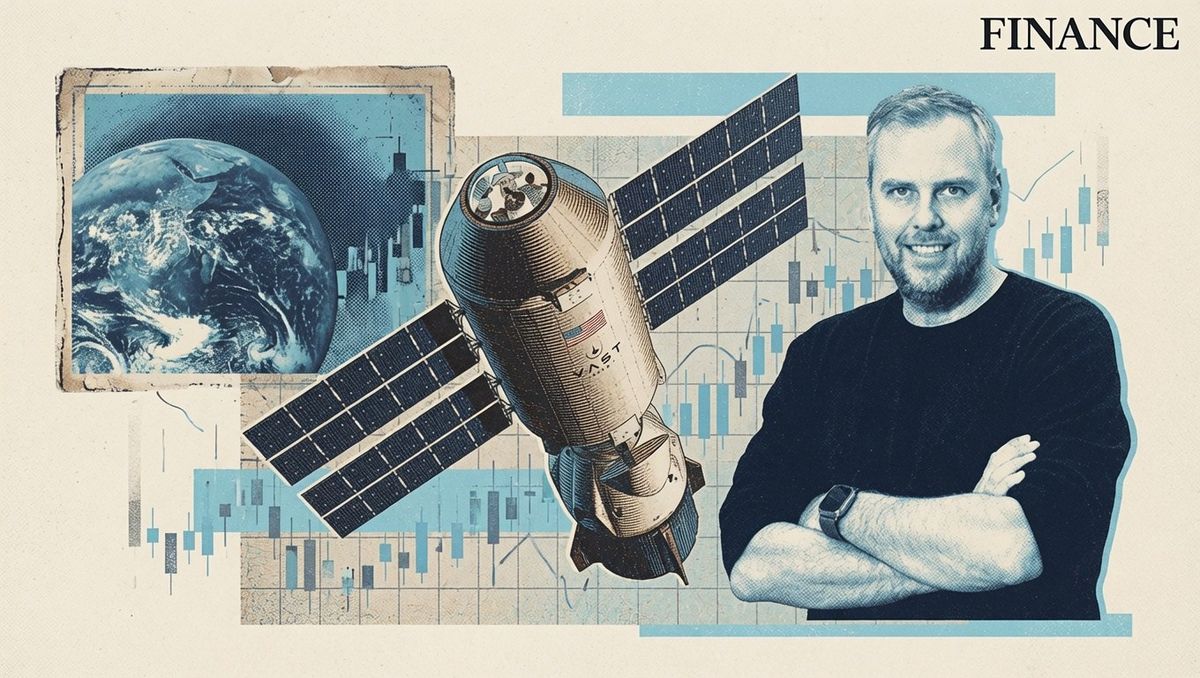
Welcome to SPACE <GO>, my weekly round-up of all things space business related. This week we’re focusing on space data centers and the companies impacting Artemis II.
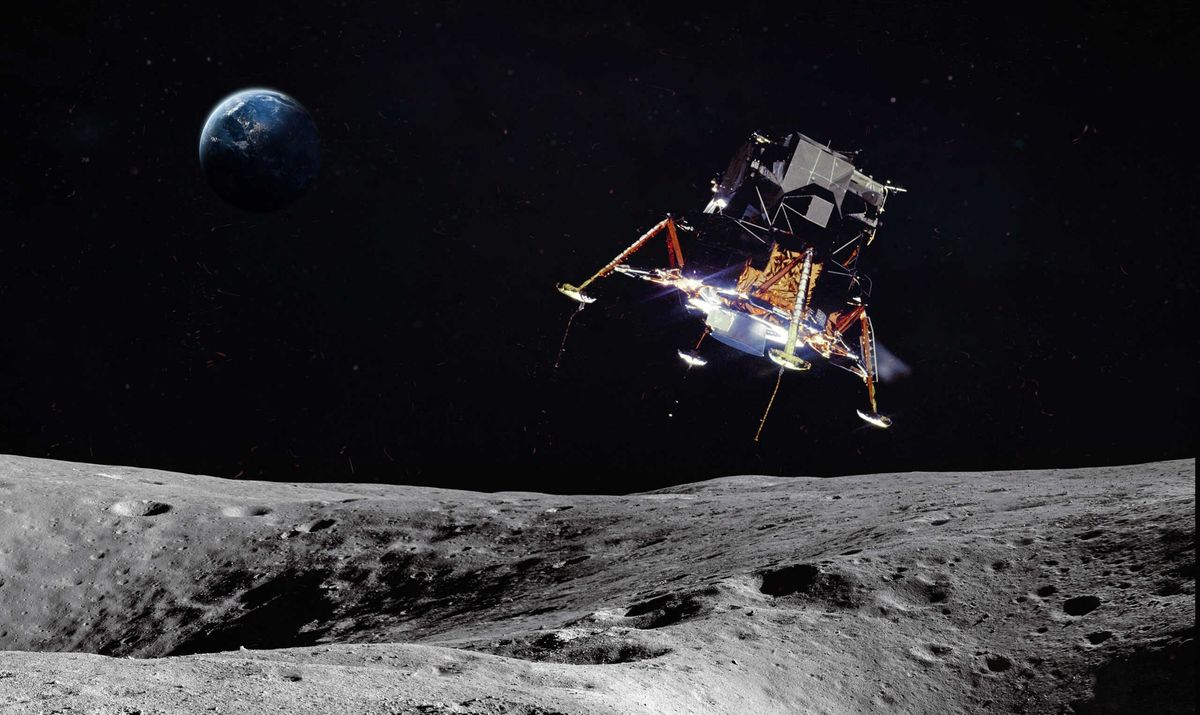
THE CASE FOR MOON MONETIZATION. With Artemis II now fully launched, the real question isn’t exploration — it’s economics. A new lunar market assessment projects $93.9B–$127.3B in cumulative revenues from 2026–2050, spanning mobility, energy, communications, and water infrastructure — the foundational layers of a lunar economy. The catch: everything depends on mission cadence. No launches, no market. Translation: the moon is becoming an investable thesis — but only if governments and private players sustain momentum. Source: New Scientist.
—> INVESTOR TAKE: This isn’t about flags and footprints. It’s about who builds the first off-world supply chains — and captures early monopoly-like advantages in a zero-to-one market.
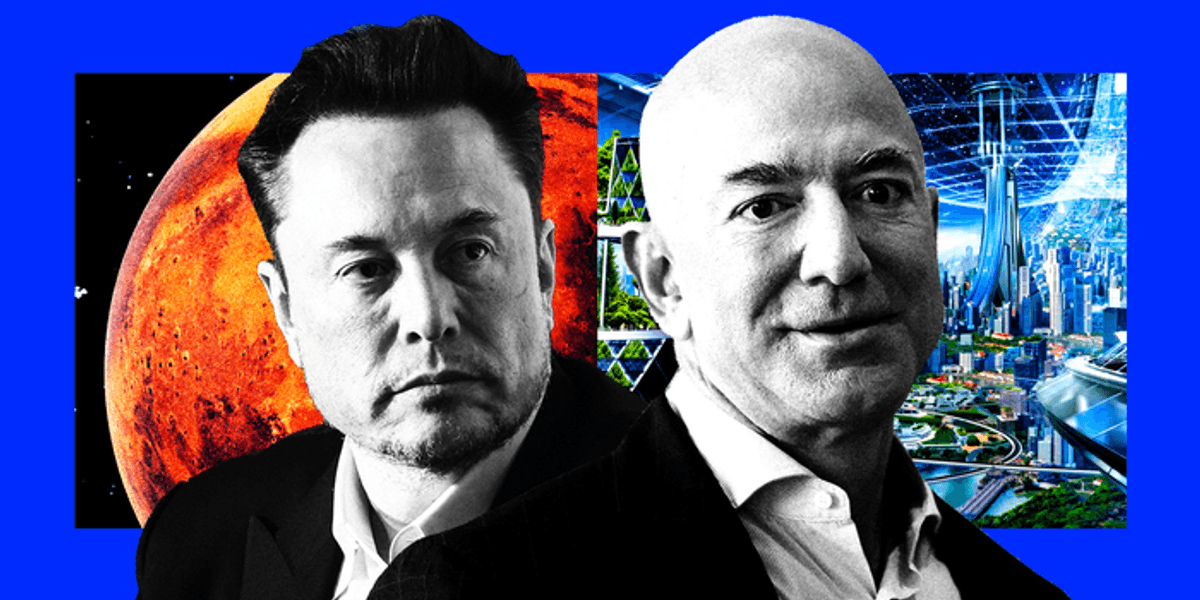
SPACEX FILES FOR IPO — A POTENTIAL $1.75 TRILLION BET ON THE SPACE ECONOMY. SpaceX has confidentially filed to go public, setting up what could become the largest IPO in history. The offering could raise more than $50 billion and surpass Saudi Aramco’s record. For investors, it’s a chance to buy into rockets, satellites, and the long-term vision of a multi-planetary economy.
—> WHAT’S HAPPENING: SpaceX submitted a confidential IPO filing, allowing it to prepare behind the scenes while refining disclosures. The company is hosting analyst meetings and building its financial narrative ahead of a potential launch. This signals a serious move toward public markets, even if timing is not finalized.
—> WHY YOU CARE: SpaceX is already the dominant player in launch and runs Starlink, a fast-growing global internet business. Much of its valuation is tied to Starlink’s recurring revenue from millions of users and defense contracts. An IPO would give investors direct exposure to the infrastructure layer of the space economy.
—> HORIZON SCAN: The company is expanding beyond rockets into AI, satellites, and data infrastructure. Its merger with xAI and plans for orbital data centers show an integrated system spanning launch, connectivity, and compute. This positions SpaceX at the center of space, AI, and national security convergence.
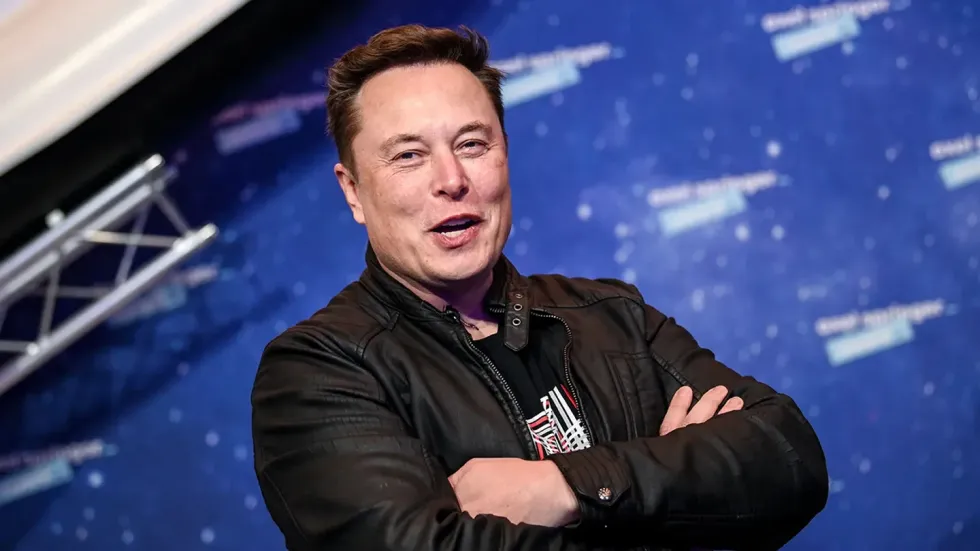
—> WHAT TO WATCH: Investor demand is expected to be strong, but valuation and leadership concentration could drive volatility. The IPO could revive a slow public market and trigger a wave of large tech listings. It will also test how much the market believes in Elon Musk’s long-term vision.
BOTTOM LINE: This is not just an IPO. It is the moment the space economy becomes a core Wall Street trade. Source:Reuters — SpaceX files for IPO, sources say
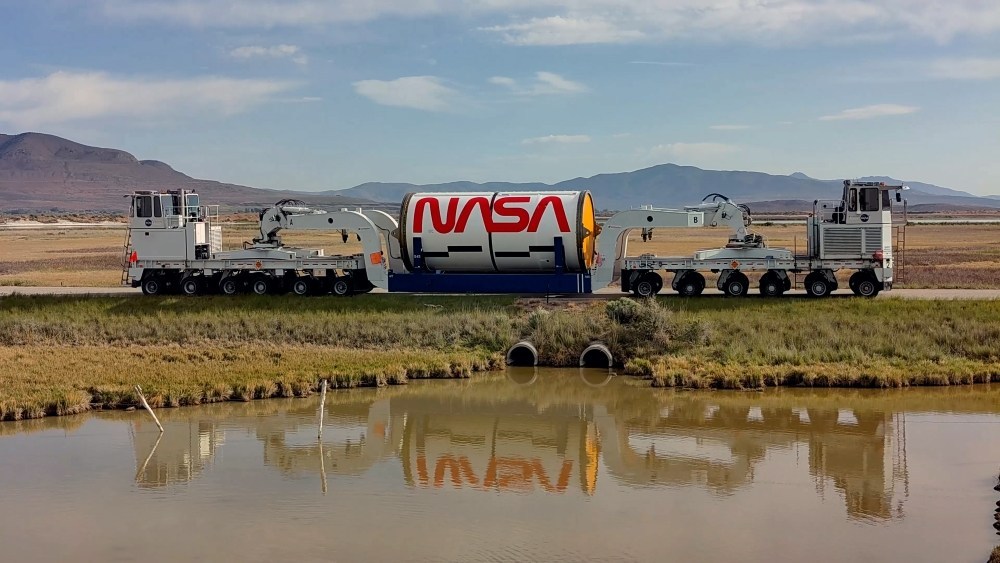
ARTEMIS II IS A SUPPLY CHAIN STORY. Behind NASA’s next moon mission sits a sprawling industrial base — with 40+ companies in Washington state alone contributing components, from safety systems to propulsion hardware. This isn’t just a mission — it’s a distributed manufacturing ecosystem scaling for sustained lunar operations. Source: The Seattle Times.
—> INVESTOR TAKE: Artemis is less about a single launch and more about building a repeatable industrial pipeline — one that underpins future lunar infrastructure and defense-linked contracts.
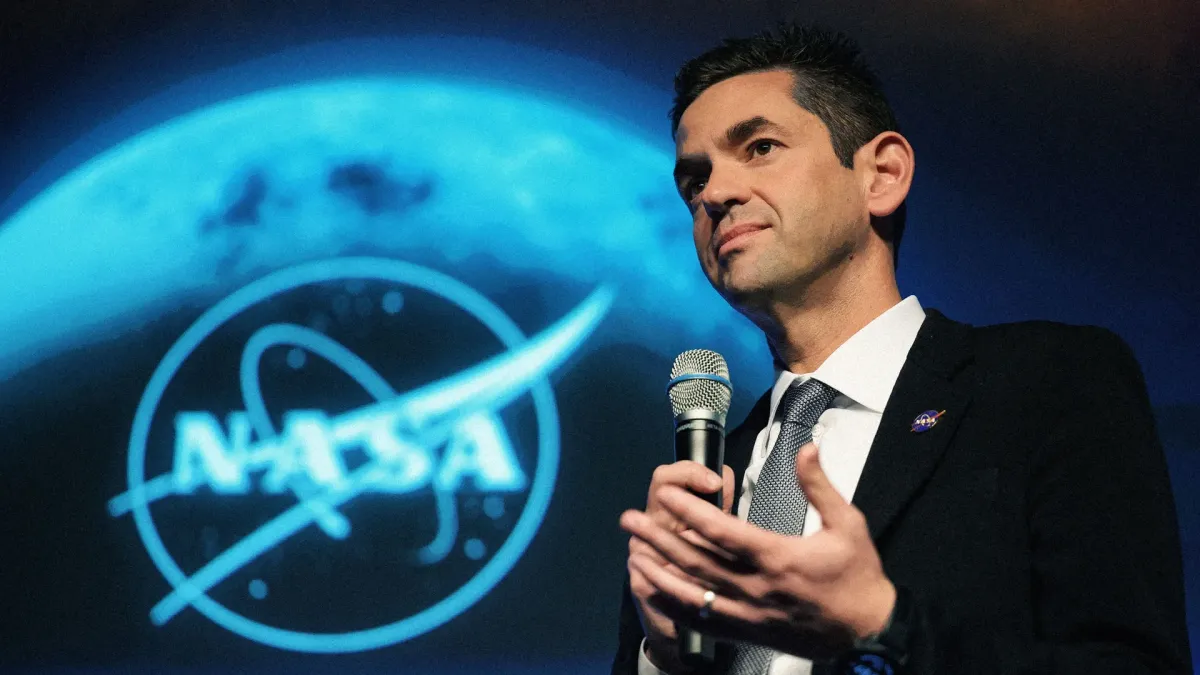
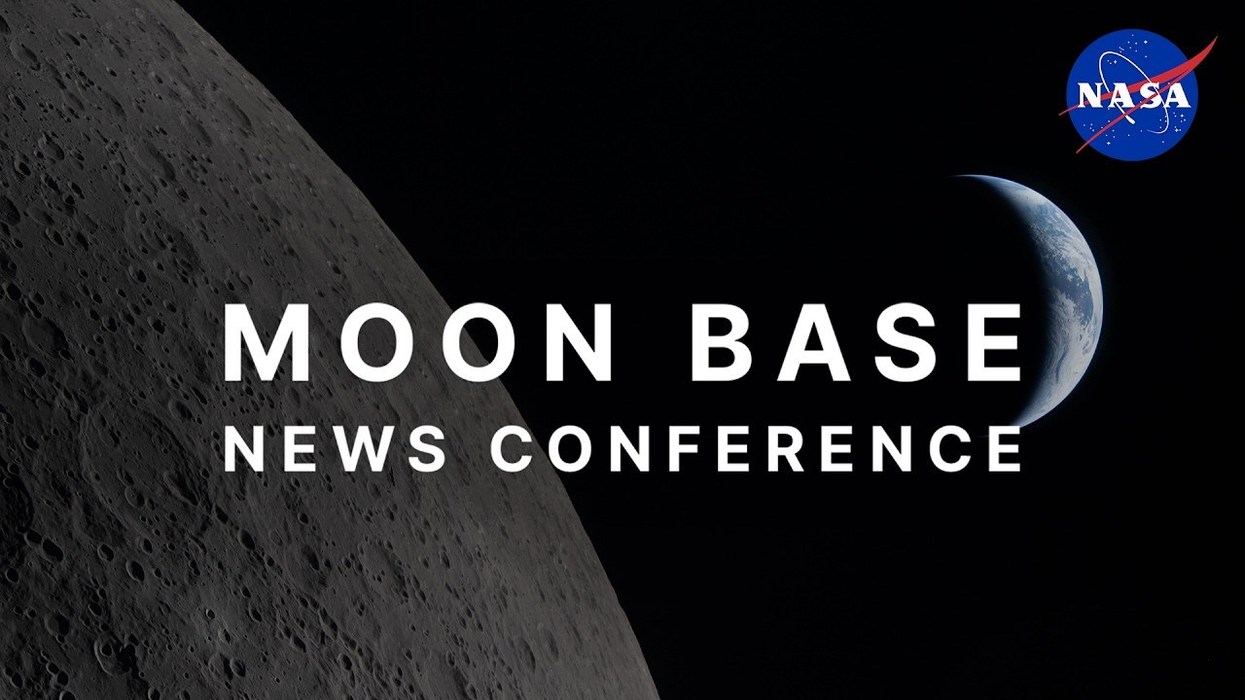
NASA SHIFTS TO A $20B MOON BASE STRATEGY. NASA is reportedly pivoting away from a lunar orbit station toward building a $20B base on the moon’s surface over the next decade — a major shift toward permanent presence. Source: Reuters.
—> STRATEGIC SIGNAL: The U.S. is moving from exploration to occupation. Infrastructure — not missions — will define leadership.
CHINA FUNDS REUSABLE LAUNCH COMPETITION. Chinese startup Astronstone raised $29M to develop a reusable rocket with chopstick-style recovery — echoing SpaceX’s approach. Source: SpaceNews.
—> WHAT TO WATCH: Reusability is now table stakes globally. Capital is flowing to anyone who can match cadence and cost.
NUCLEAR PROPULSION ENTERS THE CHAT. NASA is moving forward with what it calls the first nuclear-powered interplanetary spacecraft, targeting a 2028 Mars mission. Source: Space.com.
—> WHY IT MATTERS: Faster transit times = more viable deep space logistics. This is enabling infrastructure for Mars, not just exploration.
CYBER THREATS EXPAND IN ORBIT. A new joint intelligence report warns that the rapid growth of LEO constellations is expanding the “attack surface” for cyber threats. Source: Breaking Defense.
—> BOTTOM LINE: Space infrastructure is now critical infrastructure — and a target. Security will be a core investment theme alongside launch and compute.



 Elon Musk Fox Business Network