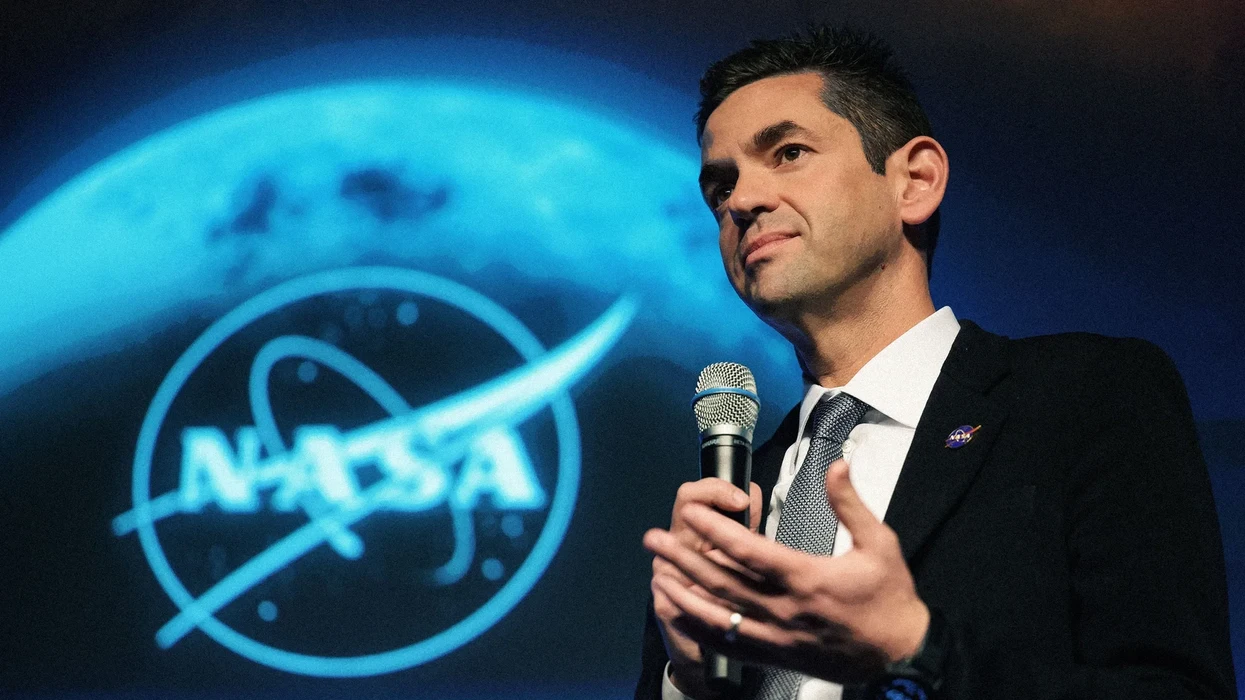
LEADING THE WEEK --> Lt. Gen. Douglas A. Schiess nominated to be next US Space Force Chief of Space Operations, via Space Force.
SPACE <GO> Your weekly cheat sheet for space industry executives and investors. Think of it as your thumb-friendly launchpad into the business, technology, and market drivers shaping the sector.
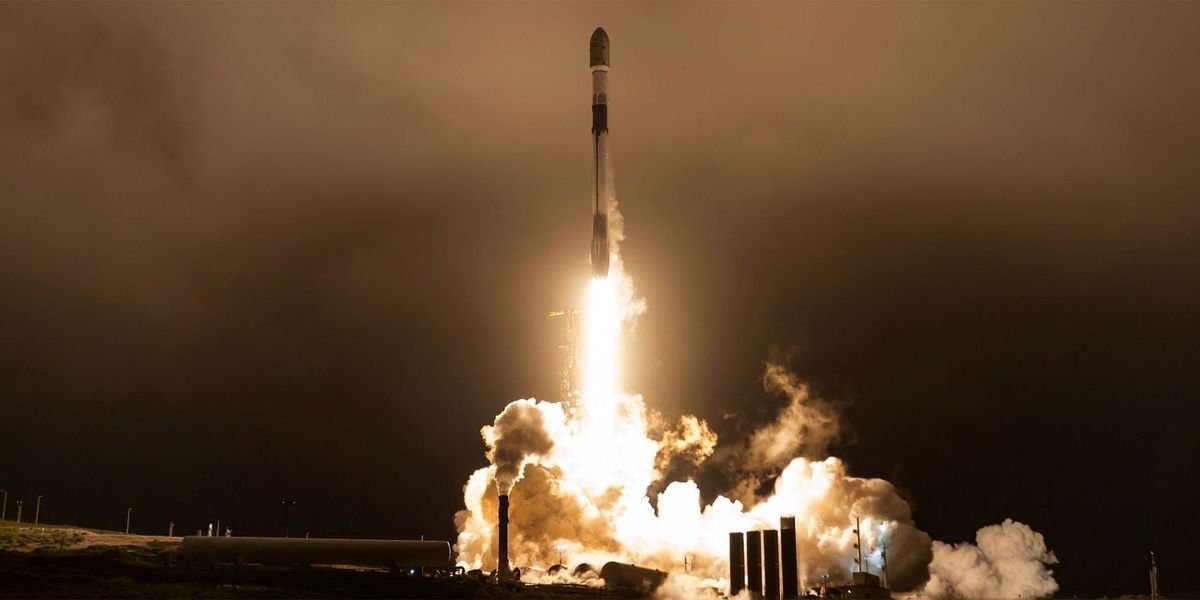
SPACEX JUST TIED ELON MUSK’S NEXT PAYDAY TO DROPPING A MILLION HUMANS ON MARS. SpaceX’s board just greenlit a jaw-dropping new compensation package that literally pays Elon Musk in super-voting shares only if he makes humanity multi-planetary — with a self-sustaining colony of at least 1 million people living on Mars.
--> HOW IT WORKS: Musk stands to earn 200 million restricted super-voting shares if SpaceX reaches a $7.5 trillion market cap and successfully establishes that million-person Mars colony. There’s also an extra 60.4 million shares tied to hitting other wild valuation targets plus operating massive orbital data centers with 100+ terawatts of compute power. Miss the goals? Zero shares vest.
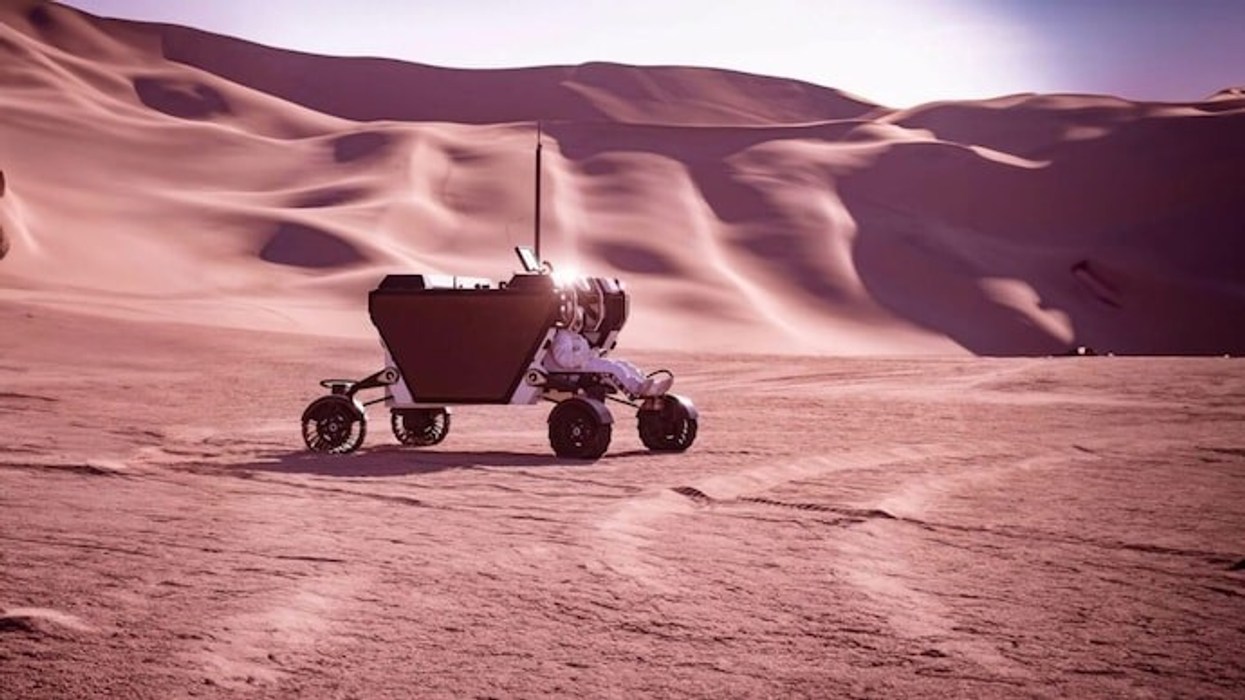
--> WHAT THEY PROJECT: Musk has been crystal clear: he wants 1 million people on Mars by 2050. Starship is the rocket that’s supposed to make it happen, though he recently hinted the company may first build a fast-growing “self-sustaining city” on the Moon (potentially in under a decade) before going all-in on the Red Planet.
--> WHY YOU CARE: This is pure Musk — turning his biggest moonshot into his own compensation plan right as SpaceX barrels toward what could be the largest IPO in history. It keeps the founder laser-focused on the interplanetary dream while giving investors a very public, very ambitious scoreboard for the next 20+ years.
--> MEET THE FUTURE: If you thought SpaceX was already playing on God-mode, this package just cranked it to 11. Musk’s next big bonus check is now officially tied to the single most audacious goal in human history: turning Mars into home.
Source: Gizmodo
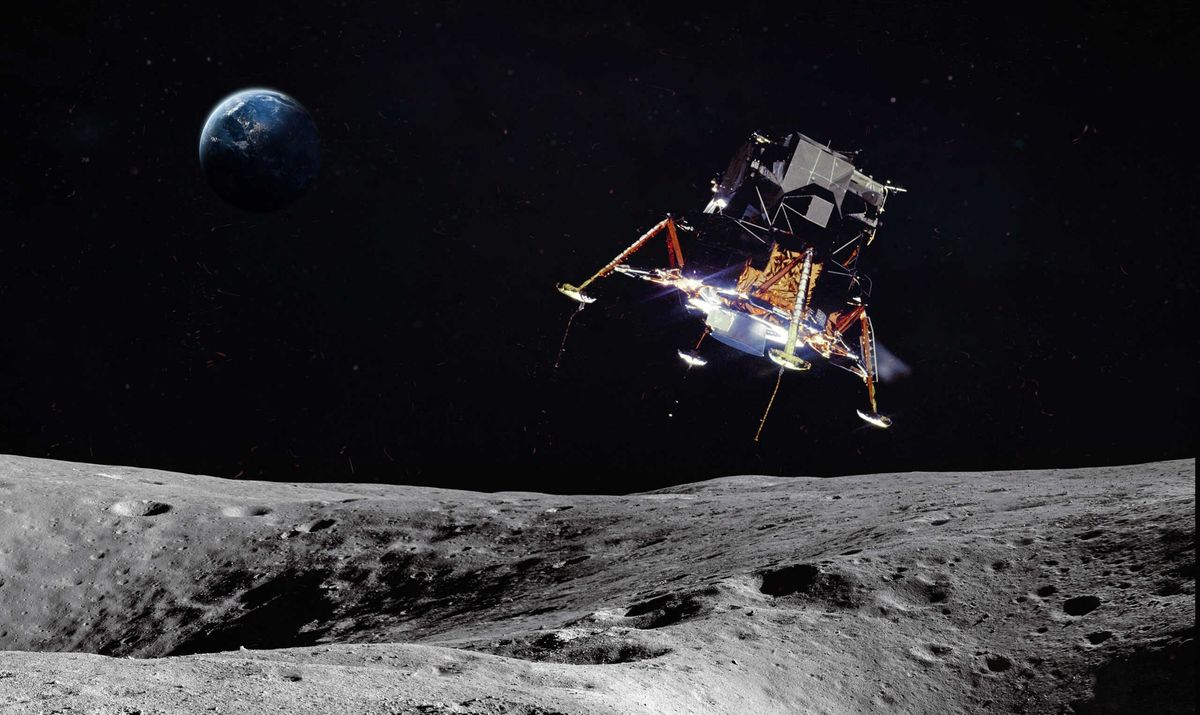
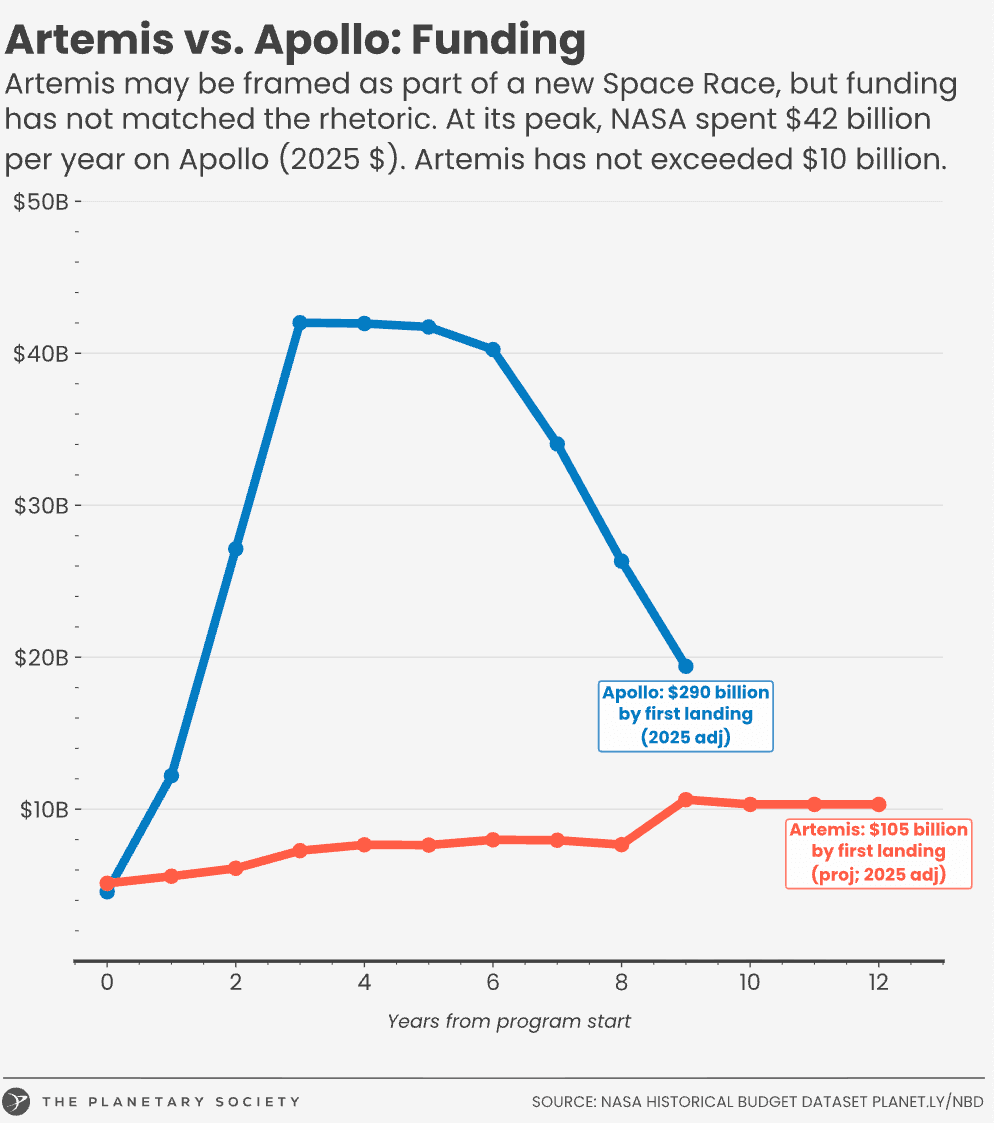
NASA SLIDES ARTEMIS 3 TO LATE 2027 — BUT STILL EYES CREWED MOON LANDINGS IN 2028: NASA has officially pushed back Artemis 3 — the first crewed lunar landing — to late 2027. The mission will now focus on a critical uncrewed Earth-orbit rendezvous and docking test between Orion and the human landing systems rather than attempting a landing.
--> LANDER READINESS IS THE HOLD-UP: Both SpaceX’s Starship and Blue Origin’s Blue Moon are still working through major technical hurdles: in-orbit cryogenic refueling, uncrewed lunar touchdowns and liftoffs, and full life-support integration. Neither lander is currently rated for crewed flight.
--> 2028 LANDING GOAL STILL IN PLAY: NASA Administrator Jared Isaacman says the agency is protecting two landing opportunities in 2028 for Artemis 4 and Artemis 5. Orion is already proven after Artemis 2, and the plan remains to put boots back on the Moon by the end of next year.
--> BOTTOM LINE: This is a realistic reset that acknowledges how hard human landing systems are to develop — but NASA is keeping the 2028 crewed Moon landing target alive. A successful return to the lunar surface by the end of 2028 would mark America’s first crewed landing there in more than half a century.
Source: Space.com
SPACE WRECKS ASTRONAUT HEARTS — BUT IT SUPERCHARGES LAB-GROWN MINI-HEARTS: Astronauts’ real hearts atrophy and weaken in microgravity. Yet brand-new research shows tiny lab-grown heart organoids made from human stem cells actually grow faster, stronger, and more robustly in space than they ever do on Earth.
--> THE HEARTBREAK OF SPACEFLIGHT Long missions cause cardiac muscle to shrink and change shape — a major concern for future Mars crews facing years of weightlessness.
--> MICROGRAVITY’S SURPRISING GIFT TO BIOTECH Researchers sent heart organoids to the ISS in suspension bioreactors. Free from the damaging mechanical stirring required on Earth, the organoids floated naturally and formed thicker, healthier tissue patches with dramatically higher yields.
--> A LIFELINE FOR EARTH’S ORGAN SHORTAGE: This could be game-changing back home. With tens of thousands of patients waiting for heart transplants and a chronic global organ shortage, space-grown cardiac tissue opens the door to better transplant patches, more accurate drug testing, and eventually lab-grown organs that could save countless lives on Earth.
--> BOTTOM LINE: Space is brutal on the human heart… but it may be the perfect factory for growing the next generation of life-saving cardiac tissue. A rare and hopeful crossover between space medicine and regenerative medicine that could ease Earth’s organ crisis while protecting astronauts on the way to Mars.
Source: Space.com
NGA THROWS OPEN MORE PROGRAMS TO COMMERCIAL VENDORS IN GEOINT PUSH: The National Geospatial-Intelligence Agency is dramatically widening access to its programs, inviting a broader pool of commercial vendors — including smaller firms and startups — to supply satellite data, AI tools, and advanced analytics.
--> THE STRATEGIC SHIFT: Driven by a Trump administration executive order to accelerate private-sector adoption and counter China, NGA is actively surveying the marketplace for innovative commercial capabilities. The agency is moving away from long, closed-door procurements toward faster, more competitive processes.
--> $500 MILLION LUNO CONTRACT + NEW RAPID OFFICE: A major new vehicle is the Luno program — a $500 million multi-vendor contract for AI-enabled geospatial intelligence products like change detection, facility monitoring, and situational awareness. NGA also stood up a Rapid Capabilities Office to slash acquisition timelines from years to weeks, focusing on quick prototyping of commercial AI and computer vision tools.
--> INVESTOR TAKE: This is a clear tailwind for commercial Earth-observation, satellite data, and AI analytics companies. Smaller vendors now have a direct path in via NGA’s Mentor-Protégé Program, industry days in June and July, and a small business collider event. With over 13,000 satellites already in orbit and the number still climbing fast, NGA wants speed and innovation from the private sector.
--> BOTTOM LINE: NGA is opening the floodgates to commercial innovation in geospatial intelligence. For companies with strong EO, AI, or analytics offerings, this signals fresh contract opportunities and a more welcoming government customer in a high-priority national security mission area.
Source: SpaceNews






 Source: The Planetary Society