This week in SPACE <GO> with Kevin Cirilli: Artemis lunar dreams delayed until 2028 amid risk-averse reprioritization, orbit and cyber deliver the opening blows in U.S. strikes on Iran, and Elon Musk's $1.25T SpaceX-xAI fusion accelerates the collapse of terrestrial tech and space power into one unprecedented private stack.
SPACE <GO> with Kevin Cirilli: This week’s rundown for investors, operators, and policymakers watching the space economy: Artemis slips again, orbit becomes the opening salvo in conflict, and Musk’s ecosystem edges toward unprecedented convergence.
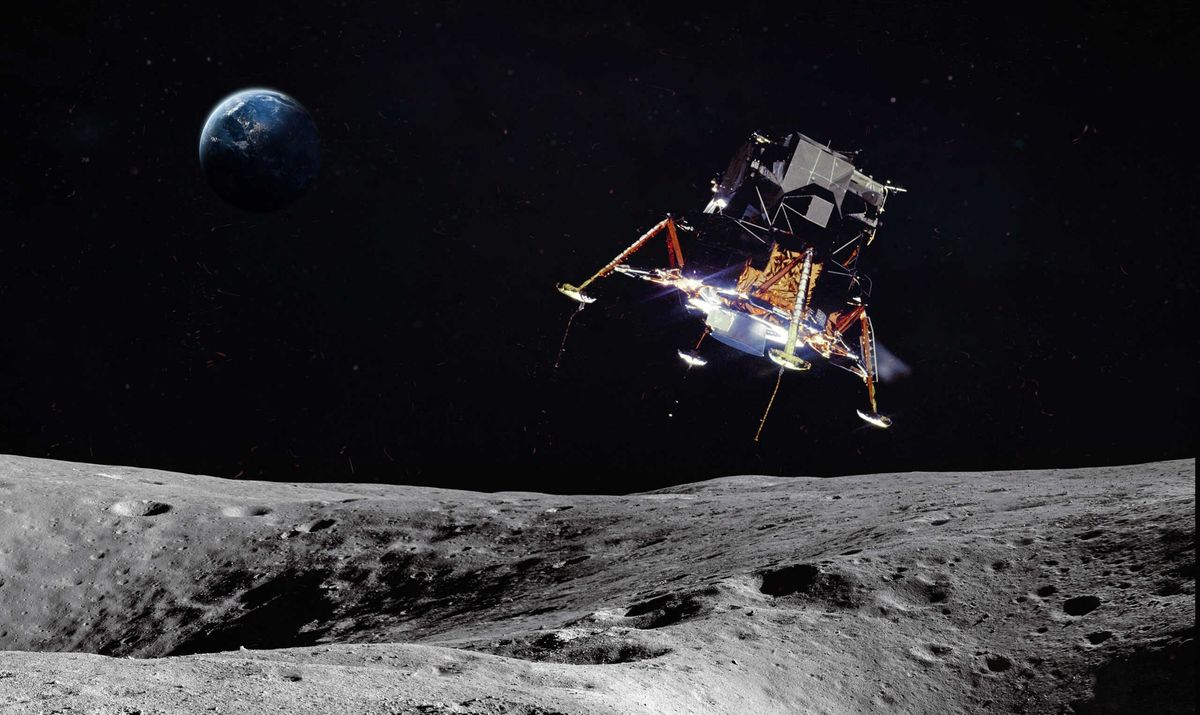
ARTEMIS III RESTRUCTURED — MOON LANDING SLIPS TO 2028. NASA has officially pivoted: Artemis III will now fly as a crewed low-Earth orbit mission in 2027, focused on risk reduction and systems testing. The first crewed U.S. lunar landing moves to Artemis IV, targeted for no earlier than 2028.
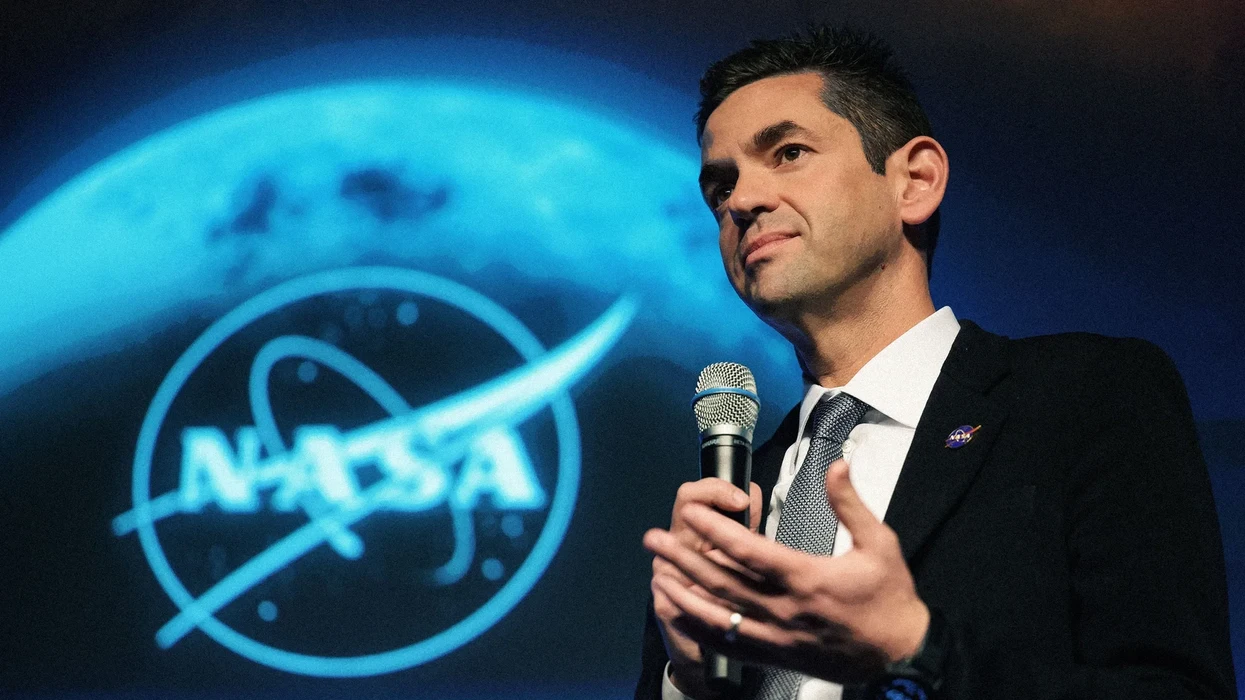
NASA Administrator Jared Isaacman called the prior path “not the right way forward,” emphasizing reliability and incremental progress over aggressive speed.
Why you care:
- The symbolic U.S. “return to the Moon” milestone is delayed at least another year.
- Commercial lander providers (Intuitive Machines, Astrobotic, etc.) face rescheduling ripple effects.
- China’s lunar program cadence remains aggressive and largely on track with the goal of before 2030.
This isn’t cancellation; it’s disciplined reprioritization. In great-power competition, however, cadence is capability.
Source: NASA’s Artemis III Moon Landing Was Just Cancelled – Here’s What Changed (BGR)
SPACE & CYBER AS FIRST-MOVER DOMAINS IN CONFLICT. Pentagon leadership confirmed U.S. Space Command and Cyber Command led “non-kinetic effects” in the opening phase of recent U.S.-Israeli operations against Iran. Orbital and network disruption preceded kinetic strikes, degrading Iranian C2, sensors, and comms—enabling over 1,000 targets hit in the first 24 hours.
Gen. Dan Caine highlighted the sequence: space and cyber as operational leads, not support elements.
Why it matters:
- Orbit is now crucial to national security interests.
- Satellite resilience, GPS hardening, missile warning constellations, and space-based ISR are frontline priorities.
- Expect accelerated DoW budgets for resilient architectures, electronic warfare in space, and assured comms.
- Investors: The space economy is now inseparable from national critical infrastructure. In conflict, those assets become high-value targets—and magnets for both capital and risk.
Sources: Pentagon details cyber, space ‘first mover’ role in Iran operations (SpaceNews) The Space Economy Is Mission-Critical. Here’s What Leaders Need to Know (WSJ / Deloitte)
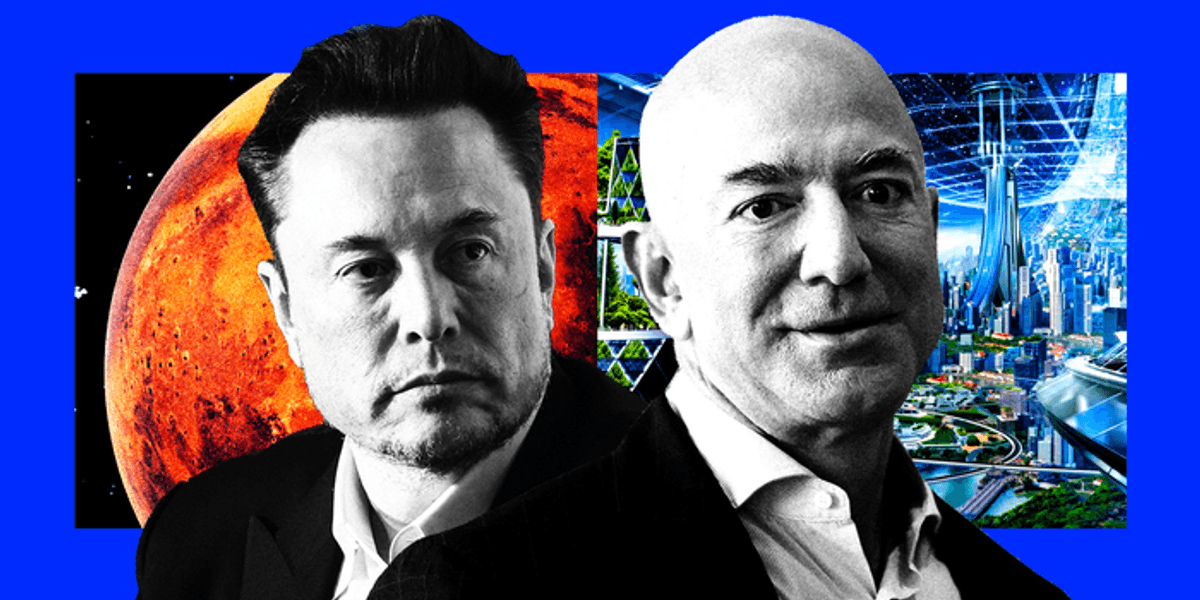
MUSK ECOSYSTEM CONVERGENCE: TOWARD A PRIVATE INDUSTRIAL STACK? BNP Paribas analysts argue Elon Musk’s capital roadmap points to deepening integration across Tesla, SpaceX, and xAI. Tesla’s $20B+ 2026 capex plan sits alongside floated ambitions for TeraFab AI chips, 100 GW vertical solar, massive data centers—and potentially orbital compute.
Post-merger (SpaceX acquiring xAI at ~$1.75T combined valuation), the thesis is structural: no single entity sustains these demands alone long-term.
Why you care:
- Full vertical integration — launch, AI training, autonomy, energy, orbital infrastructure—would create history’s largest private industrial platform.
- Cash pressures mount (Tesla burn estimates ~$7B this year); scale requires convergence.
- The bet rides on robotaxis, humanoid robotics, AI infra dominance — and if orbital data centers or space solar prove viable, terrestrial tech and space collapse into one domain.
- Investors aren’t just buying EVs or launches anymore—they’re underwriting a new architecture of private power.
That’s SPACE <GO>
Subscribe to mtf.tv’s meet the future™ for the weekly column direct to your inbox, plus daily frontier updates. More on proliferated LEO resilience post-Epic Fury.