Throughout American history, the adoption of new transportation technologies by our commanders-in-chief has signaled the nation's embrace of the future. President Andrew Jackson was the first sitting president to ride a train in 1833, William McKinley was the first sitting president to ride a car in 1901, Franklin D. Roosevelt was the first president who flew in an airplane (1943), and Dwight Eisenhower was the first to take to the skies in a helicopter in 1957. Today, as we stand on the precipice of a new era of human expansion, the next logical step is clear: a sitting US president must fly in space.
For the policymakers, military leaders, NASA officials, and venture capitalists shaping our strategic future, the imperative is American exceptionalism. If we truly want to represent American national interests in space and establish our permanence on the Moon, we must act without hesitation. China is no longer a "near-peer" in the space domain; they are a peer. With an impressive track record of robotic rovers on the Moon and Mars, the unprecedented retrieval of geologic samples from the Moon’s enigmatic far side, and the success of the Tiangong space station, Beijing is actively staking its Cosmic claims.
The United States’ core ideals—freedom of speech, human rights, fair market economics, and fair, democratic elections—are values China cannot boast to have. If we intend for our values to prevail on Earth, the United States prevail in the heavens. To show that we’re serious, we need to demonstrate unprecedented visionary leadership.
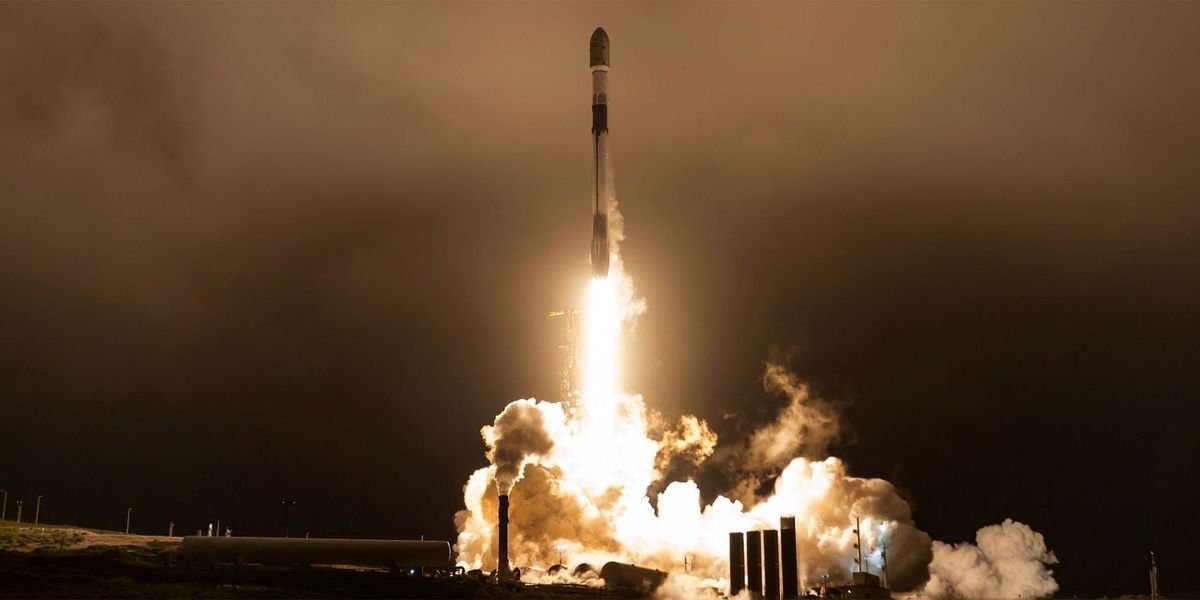
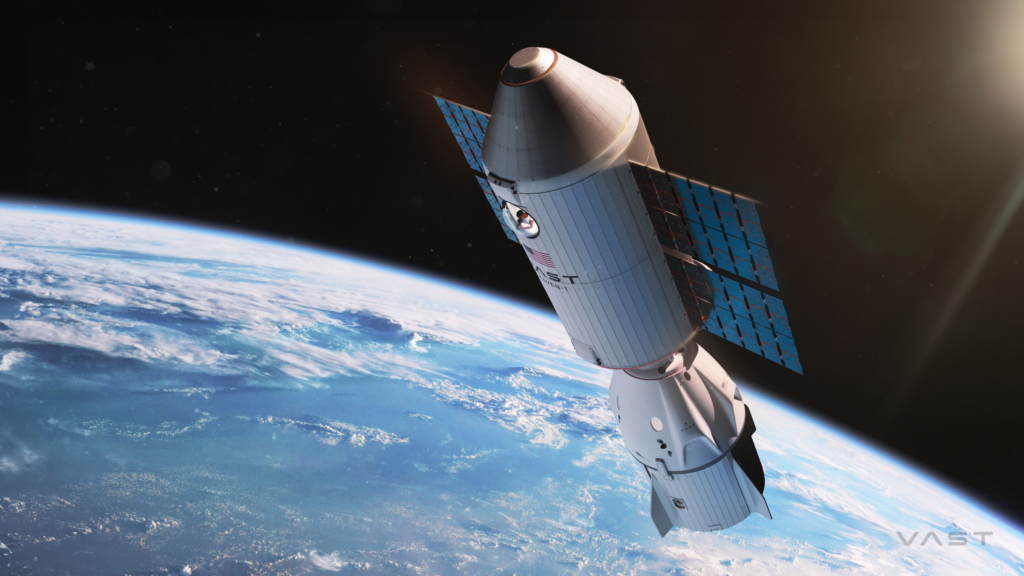
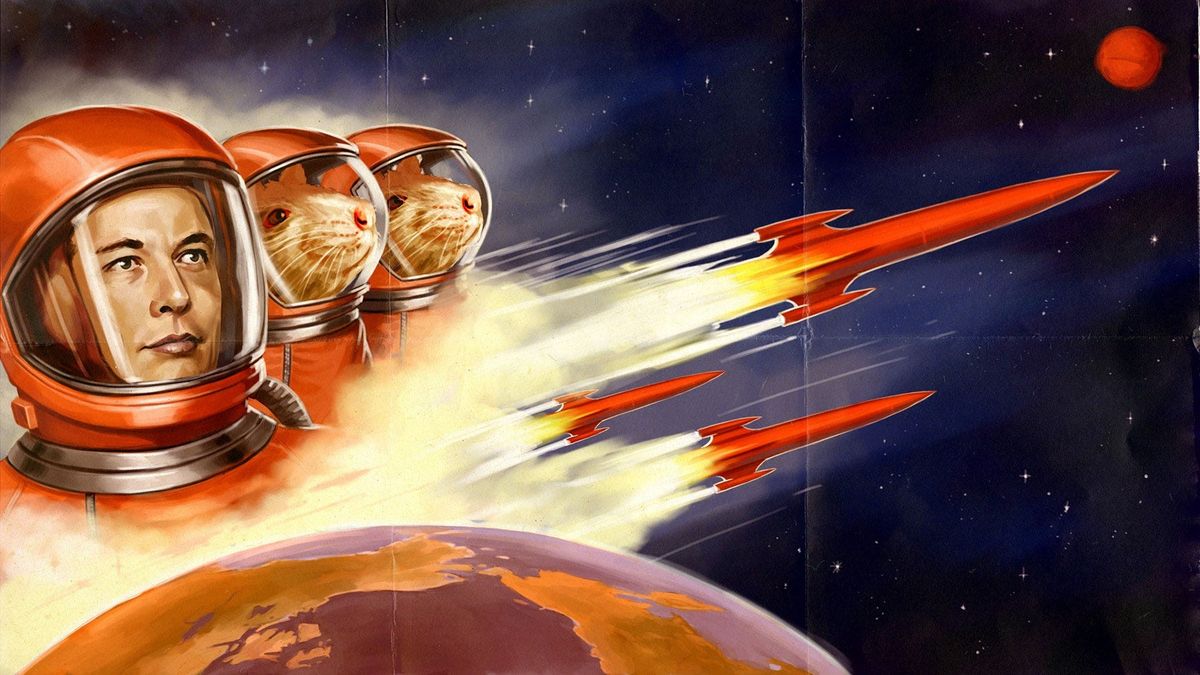
Picture the Commander-in-Chief launching aboard a commercial spacecraft, such as a Virgin Galactic or SpaceX vehicle, operating under the call sign Space Force One. Having the leader of the free world floating in weightlessness while gazing down at Planet Earth would be the ultimate diplomatic flex. It would massively elevate the visibility of our space program and unequivocally project US soft power on the global stage, sending a crystal-clear message that America's off-world future is not just a science-fiction dream, but a core national priority to unlock human flourishing.
Beyond the profound geopolitical symbolism, this mission would serve as an unprecedented catalyst for our domestic economy and educational infrastructure. For the venture capital community, the highly visible launch of a sitting president on a commercial spacecraft would drastically bolster investor confidence in the viability of US spaceflight, spurring on our aerospace industries.
Crucially, it would also serve as a monumental rallying point for American education. Currently, China is beating the United States in cultivating students for STEM careers. A presidential spaceflight would inspire a new generation to pursue these vital fields, re-energizing the K-12 and university STEM education pipelines. Talented people would emigrate to the United States, bringing their creative genius with them; the rest of the world’s brain drain would thus be America’s brain gain. By prioritizing this national spectacle, we can galvanize not only the students but the teacher training programs necessary to support this reinvigorated pipeline, ensuring our educators have the momentum and resources to prepare the next generation of aerospace and scientific innovators.
The Cosmos is the next great frontier for human endeavor. It is time for the United States to secure its leadership in this domain by sending the ultimate ambassador to visit space and return safely.