For generations, we have described work in two familiar ways: blue collar and white collar. These labels have served us well, but they were created for a world where our economy ended at Earth’s atmosphere. It doesn’t anymore. The era of space collar jobs has arrived.
As the global space economy races toward the trillion-dollar mark and space becomes increasingly woven into nearly every aspect of modern life, a new category of work is emerging—one that deserves recognition of its own.
Space collar jobs are professions whose primary purpose is enabling, supporting, governing, protecting, financing, and expanding humanity’s activities with space. Some will involve building spacecraft or flying missions. Most of them won’t.
Those positions will expand the traditional engineering and science roles that have opened the space frontier to now include finance, law, cybersecurity, medicine, logistics, education, construction, manufacturing, communications, insurance, artificial intelligence, public policy and countless other disciplines that will make life and work beyond Earth possible.
Blue collar jobs remain the backbone of our physical economy. Construction workers, manufacturers, mechanics, electricians, transportation specialists and skilled tradespeople have literally built the world around us.
White collar professionals—from engineers and physicians to lawyers, software developers, accountants and business leaders—have driven innovation, management and economic growth through specialized knowledge and expertise.
Neither category is disappearing. Instead, both are expanding into a new frontier.
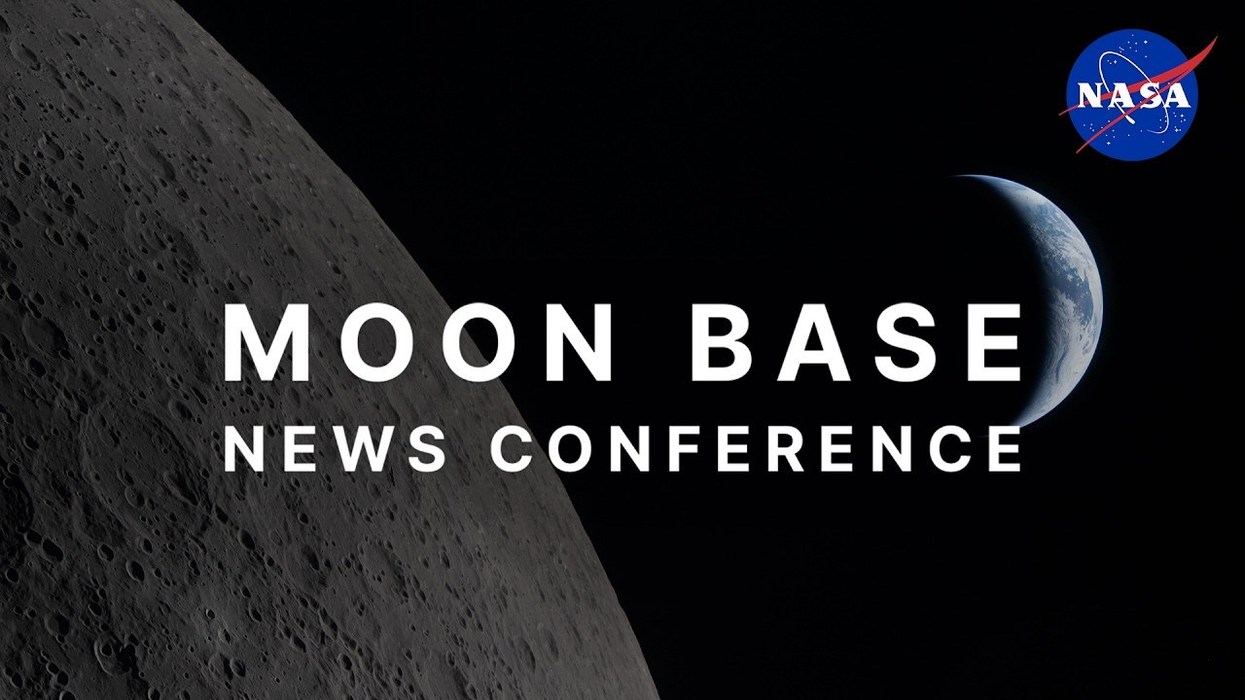
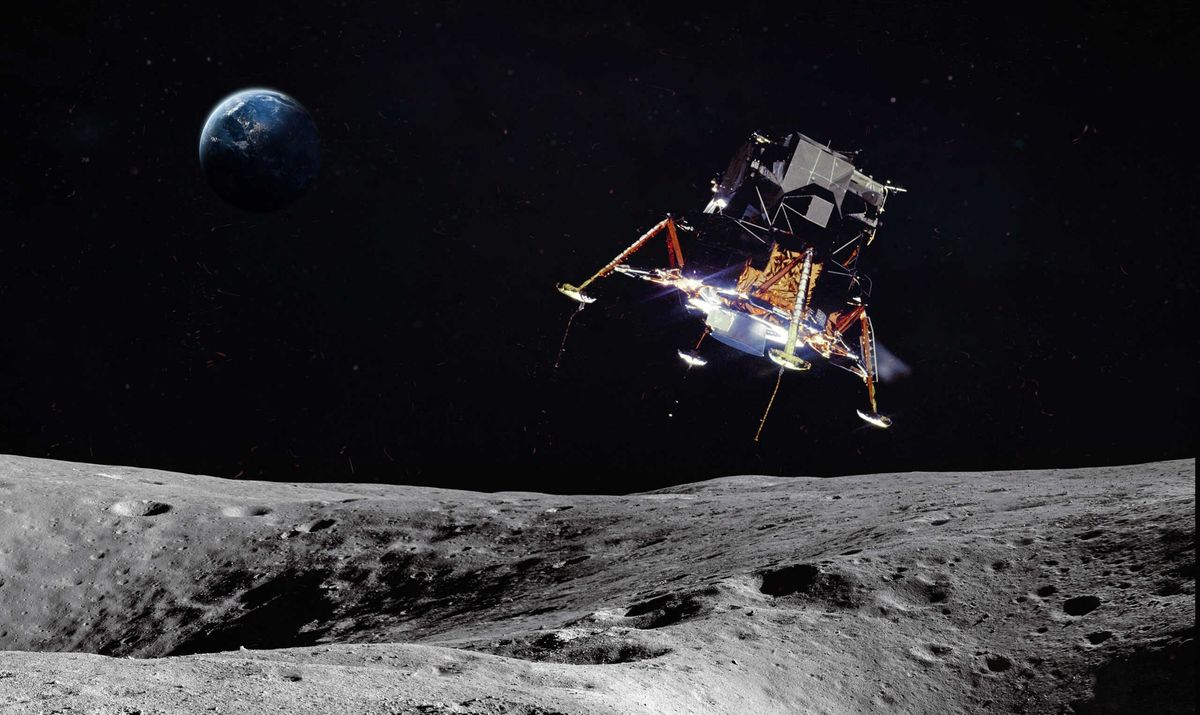
In the coming years, commercial space stations will begin operating in low Earth orbit, building upon more than a quarter century of lessons from the International Space Station. Commercial companies will continue delivering payloads and eventually people to the Moon as NASA’s Artemis program establishes a sustained human presence beyond Earth. The efforts of the Moon Base will require something humanity has never attempted before: planning, building and operating the first permanent community beyond our planet.
When most people imagine that future, they picture astronauts floating through spacecraft or engineers launching rockets.
Those professions will certainly be part of it.
But someone will also have to design lunar power systems, insure commercial space ventures, secure orbital networks against cyber threats, manage supply chains stretching hundreds of thousands of miles, finance off-world infrastructure, develop international legal frameworks, oversee in-space manufacturing, coordinate autonomous robotic operations and help govern an increasingly complex space economy.
Those are space collar jobs, too and the evolution is already underway.
Browse career opportunities at companies like Voyager Space, Blue Origin, SpaceX, Firefly Aerospace or even civil service and military assignments with the Space Force and you’ll quickly notice something interesting. The transformation isn’t simply adding the word “space” to familiar job titles. Organizations are seeking professionals who combine traditional expertise with an understanding of operating in an environment that is technologically, economically, legally and geopolitically unlike anything humanity has experienced before.
The farther we expand beyond Earth, the more complex those challenges become.
History tells us what happens next.
Thirty years ago, job boards were not advertising for app developers, social media managers, cloud architects, data scientists or cybersecurity analysts. Those careers emerged because the internet and digital revolutions created entirely new industries while transforming countless existing ones.
The space economy is poised to do the same.
According to Space Foundation research, the global space economy has grown at an average annual rate of nearly seven percent for almost two decades. While government investment—including national security and civil space programs—continues to play an important role, commercial investment is driving the majority of today’s expansion.
Why?
One word: demand.
Every person, business, critical infrastructure and nation are more dependent on space than ever before. Satellites help guide aircraft and ships, synchronize financial markets, monitor crops, forecast weather, support military operations, enable emergency response, power navigation systems and connect billions of people through communications networks.
Take space away and you won’t simply lose your GPS or the ability to track an online purchase.
You interrupt financial transactions, weaken emergency communications, disrupt transportation networks, compromise national security and undermine the digital economy that modern society depends upon every day.
That’s not an inconvenience. That’s a disaster.
As our dependence on space grows, so too will the need for people capable of building, protecting and expanding those capabilities.
Yet our workforce classifications have not kept pace.
Today, the North American Industry Classification System (NAICS), recognizes many traditional aerospace activities, including manufacturing, propulsion and transportation. But it absent in capturing the rapidly expanding ecosystem of commercial services, investment, software, cybersecurity, policy, entrepreneurship, education and other professions that increasingly define today’s space economy.
That gap matters. How we classify work influences how we measure it, educate for it, invest in it and ultimately prepare future generations to pursue it.
Space Foundation analysis of Bureau of Labor Statistics data projects that many traditional space occupations—including aerospace engineers and technicians—will continue growing faster than average over the coming decade. Those projections, however, represent only a fraction of the workforce that the expanding space economy will require.
The next generation of space collar professionals may not even realize those careers exist today.
That’s why awareness matters.
Every major economic revolution has created new professions that previous generations could scarcely imagine. The Industrial Revolution transformed manufacturing. The Information Age reshaped nearly every office and factory on Earth.
The space economy will be no different.
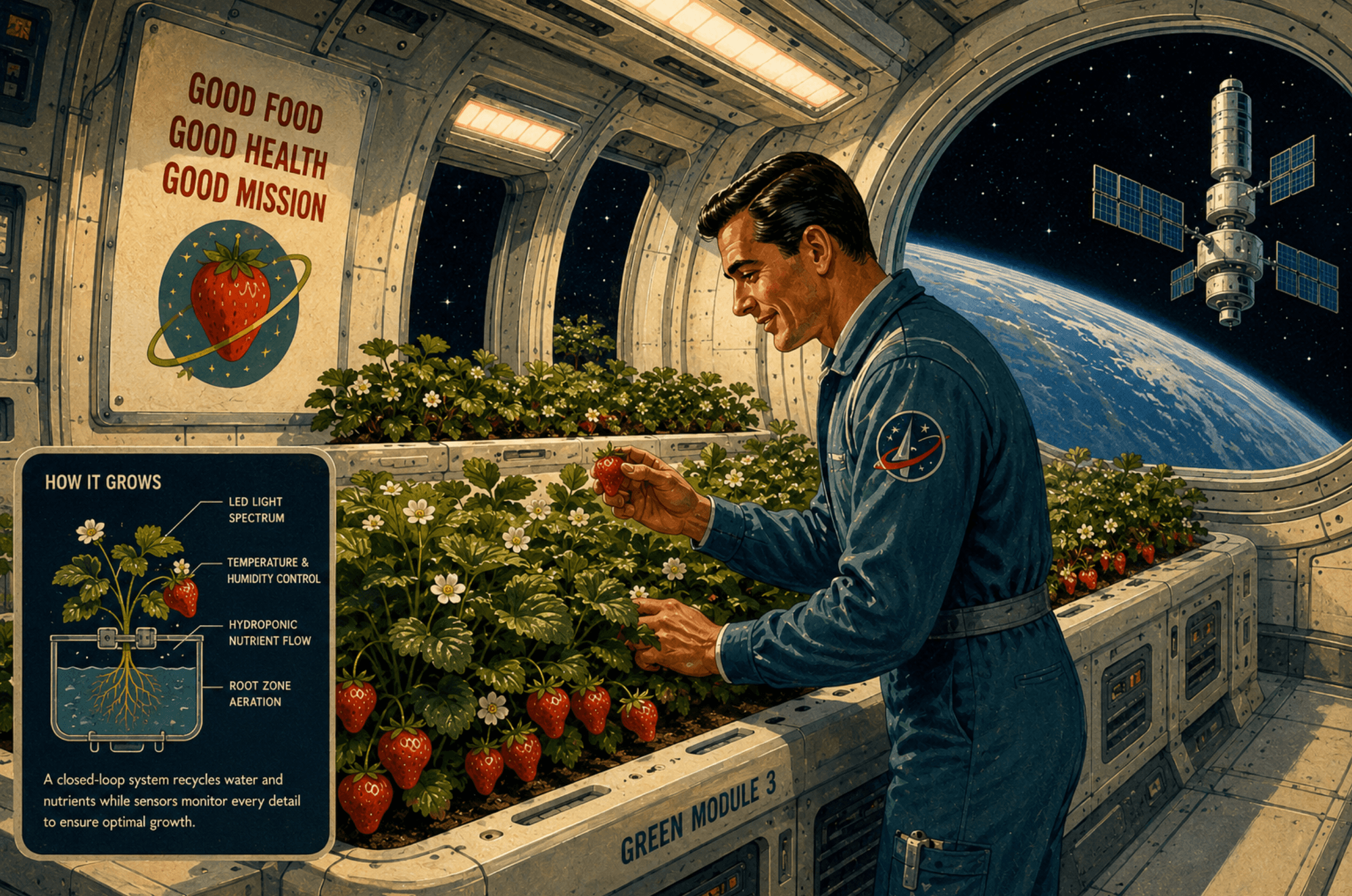
The people building humanity’s future in space won’t all wear spacesuits.
Some will write software or design habitats.
Some will negotiate international agreements or finance lunar infrastructure.
Some will manufacture medicines in orbit or defend critical space systems from attacks.
Some will teach, heal, insure, invent and inspire.
None of these fit neatly into yesterday’s definitions of blue collar or white collar.
They’ll belong to something new and will be the first generation of space collar professionals.
And they will all build humanity’s next frontier.



 Elon Musk Fox Business Network