Hello and welcome to SPACE <GO> — my weekly tipsheet on all things space business. This week brought a clear snapshot of where the industry stands: major progress on NASA’s Artemis surface plans, a historic public debut for the sector’s biggest player, and a stark reminder that execution risk is very real. NASA awarded nearly $440 million to build the first crewed lunar rovers for its moon base, while SpaceX went public in dramatic fashion. At the same time, Blue Origin suffered a serious setback that puts fresh pressure on the Artemis timeline.
Here’s what mattered most:
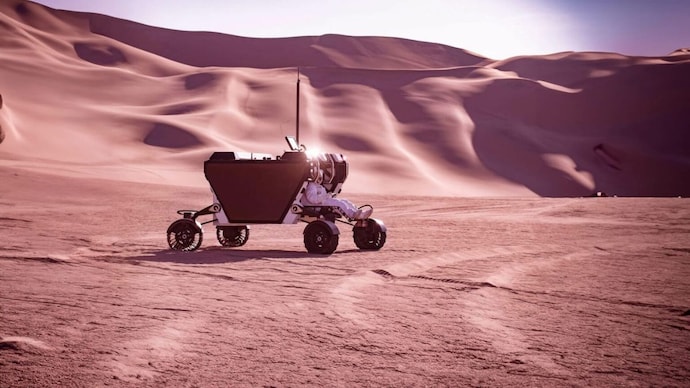
NASA AWARDS $440M FOR FIRST CREWED MOON BUGGIES: NASA has selected two companies to build the initial Lunar Terrain Vehicles (LTVs) for its Artemis moon base program at the lunar south pole. The agency awarded roughly $219 million to Venturi Astrolab and about $220 million to Lunar Outpost to develop and deliver crewed rovers by 2028. These “moon buggies” will give astronauts sustained mobility on the surface for the first time since Apollo.
--> THE AWARDS: The contracts come under NASA’s Lunar Terrain Vehicle Services (LTVS) effort and mark the first dedicated funding for human-rated lunar rovers in the Artemis era. Astrolab’s task order covers its CLV-1 (Crewed Lunar Vehicle-1), adapted from the company’s earlier FLEX rover architecture. Lunar Outpost is developing its Pegasus rover, an evolution of its earlier Eagle design. Both vehicles are designed to carry two astronauts plus cargo and support science, logistics, and exploration missions.
--> THE ROVERS & COMPETITION: Astrolab’s CLV-1 features a wheel-on-limb mobility system for rugged lunar terrain, can reach speeds up to 10 km/h, and includes a robotic arm for science and operations. It builds on thousands of hours of testing and a prior NASA indefinite-delivery/indefinite-quantity contract worth up to $4.6 billion. Lunar Outpost’s Pegasus emphasizes reliability and heritage tech. The dual-award approach gives NASA redundancy while accelerating development of surface mobility critical for a sustained moon presence.
--> WHY IT MATTERS: These rovers are a key piece of NASA’s broader $20 billion+ moon base plans. Without reliable ground transport, astronauts will be limited to walking distance from their lander — severely restricting exploration and construction at the south pole. Delivering flight hardware by 2028 keeps Artemis on track for long-duration surface operations and sets the stage for commercial lunar infrastructure.
Source: MSN / Astrolab
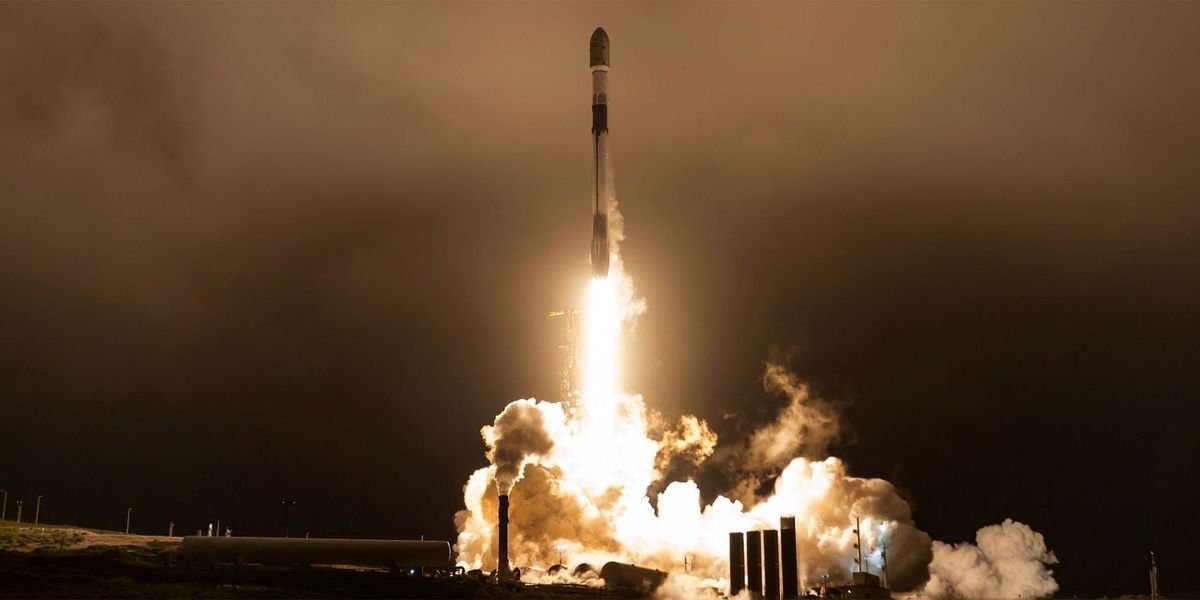
SPACEX GOES PUBLIC: SPCX OPENS WITH A 19% POP, HITS $2.2T VALUATION: SpaceX debuted on Nasdaq today under ticker SPCX, pricing its IPO at $135 per share and raising $75 billion. The stock opened at $150 and closed at $161 — a 19% gain on the first day — pushing the company’s market cap above $2.1 trillion (and briefly $2.2 trillion in extended trading). Elon Musk and Gwynne Shotwell rang the bell as a Falcon 9 launched 29 Starlink satellites from Florida the same morning.
--> THE DEBUT NUMBERS: The offering included 555 million shares plus overallotment. Trading volume exceeded 500 million shares, with heavy retail participation — one of the most active IPO auctions Citadel has ever seen. SpaceX became the sixth-most valuable U.S. company on day one, briefly surpassing Tesla’s market cap. Musk’s combined holdings in SpaceX and Tesla reportedly made him the world’s first trillionaire.
--> WHAT COMES NEXT: SpaceX is eligible for the Nasdaq 100 in about two weeks. Musk faces a 366-day lock-up, while other insiders have earlier unlocks. The company is still heavily investing in Starship, Starlink expansion, and AI initiatives following its xAI acquisition. Analysts will be watching Starlink revenue growth and any updates on orbital compute ambitions.
--> MEET THE FUTURE: SpaceX’s debut delivered the expected pop and retail frenzy, instantly making it one of the largest and most-watched public companies in the world. The real test starts now: can it deliver the execution and profitability narrative that justifies a multi-trillion-dollar valuation in a sector where hype and reality often collide?
Source: CNBC
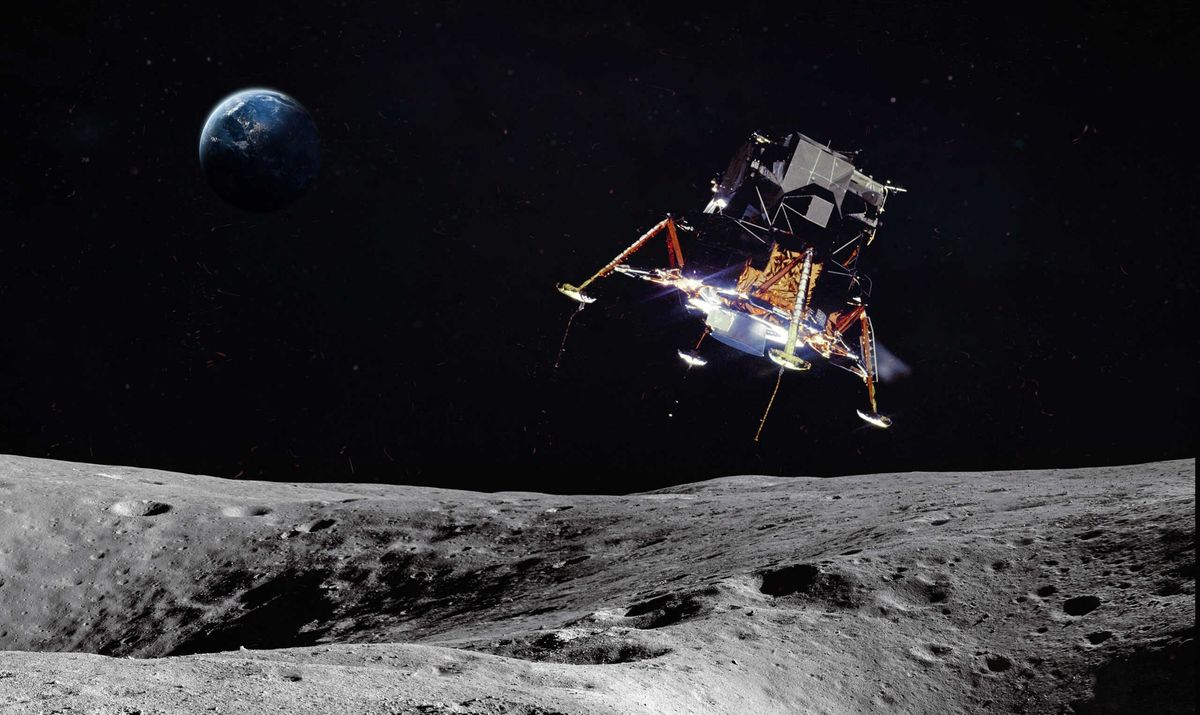
BLUE ORIGIN NEW GLENN EXPLOSION DELAYS MOON PLANS — BUT NASA SAYS ARTEMIS CAN STAY ON TRACK: Blue Origin’s New Glenn rocket exploded during a hotfire test at Cape Canaveral on May 28, severely damaging its primary launch pad just two days after the company won a NASA contract to support the agency’s $20 billion moon base. The setback is significant because Blue Origin’s Blue Moon lander is designed exclusively for New Glenn, raising questions about whether NASA can meet its target of landing astronauts on the Moon in 2028.
THE IMMEDIATE IMPACT: The explosion destroyed the rocket and heavily damaged Launch Complex 36A. Blue Origin says it will fly New Glenn again before the end of 2026, but experts consider that timeline aggressive given the extent of the pad damage. The incident comes as NASA is racing to establish sustained operations at the lunar south pole, with Artemis III currently targeted for a 2027 uncrewed test and Artemis IV for the first crewed landing in 2028.
NASA’S RESPONSE AND BACKUP PLAN: NASA Administrator Jared Isaacman emphasized that lander development is being decoupled from the rocket and pad issues. The agency is urging Blue Origin to explore flying Blue Moon on other vehicles, such as SpaceX’s Falcon Heavy, to avoid further delays. Isaacman described the explosion as “a setback that happens in this business,” noting that NASA is providing full government support for the investigation and rebuild while keeping the lander program moving forward.
Source: The Guardian


 Elon Musk Fox Business Network