By Kevin Cirilli
WASHINGTON — Discoveries made aboard the International Space Station are already helping American patients with heart failure and a condition called POTS — even if those patients have no idea their treatment has roots in space.
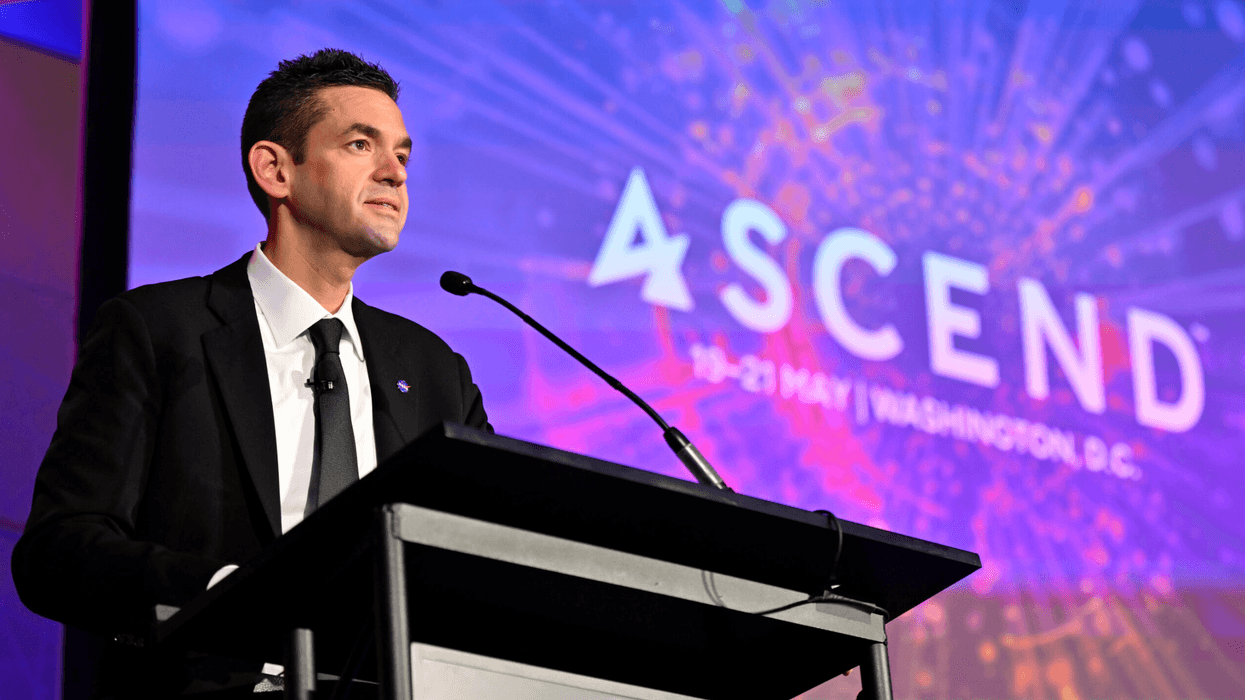
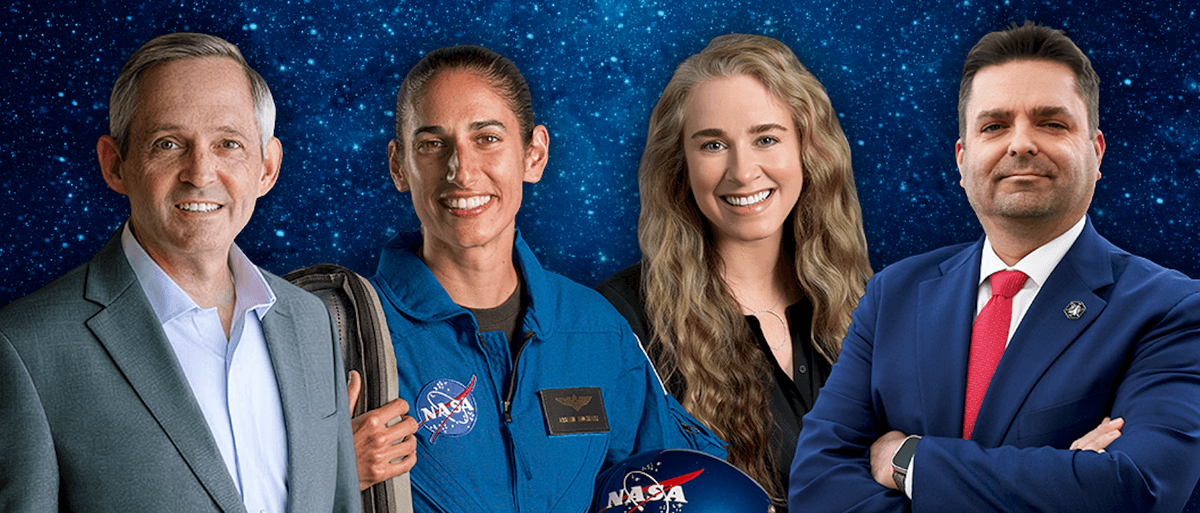
Two of the nation’s premier medical institutions — Cleveland Clinic and Cedars-Sinai — brought that message to the ASCEND conference in Washington this week, one of the largest and most influential space summits in the world. In a packed panel on microgravity research and the biomedical future of humans, experts from the ISS National Lab and leading space medicine centers described how orbital research is translating directly into treatments on Earth.
SPACE RESEARCH ALREADY TREATING EARTH PATIENTS
Kenneth Mayuga, director of the Cleveland Clinic Space Health Center, said the connection is immediate and personal. After two weeks of treating very sick heart failure patients, he noted that one of the most effective therapies for POTS — a condition causing dizziness and near-fainting — was originally developed for astronauts.
“We’ve taken exercise therapy for astronauts and helped more than a thousand patients,” Mayuga said. “Without the experience that we had from NASA and astronauts, we would’ve been a step behind.”
He added that the left ventricular assist device, or LVAD, a critical tool for advanced heart failure, was also developed with NASA technology. The rate of POTS is rising, he noted, in part because more people are surviving cancer but facing long-term side effects.
“Space-based research actually does have a very real effect on people’s health here on Earth,” Mayuga said.
LEADING HOSPITALS ADVANCE SPACE MEDICINE
The panel highlighted how Cleveland Clinic and Cedars-Sinai are now running dedicated space health programs. Cedars-Sinai has partnered with Vast Space on biomedical research aboard the company’s Haven-1 commercial space station, scheduled for launch in 2027. The collaboration focuses on stem cell research, organoid development, and crew health in microgravity.
Arun Sharma, director of Cedars-Sinai’s Center for Space Medicine Research, said the field has expanded rapidly.
“It’s multiple teams of stem cell research across multiple disciplines,” Sharma said. “That tells us that this field has rapidly grown and folks are really taking it seriously.”
TRANSLATING SPACE SCIENCE TO EARTH — AND BEYOND
Kate Rubins, a NASA astronaut who became the first person to sequence DNA in space during her 2016 mission to the International Space Station, stressed the need to move discoveries from orbit into practical use on Earth, particularly for rural and underserved communities.
She highlighted growing interest in point-of-care molecular diagnostics that could one day support long-duration missions to the Moon or Mars.
“When you start thinking about a permanent lunar base or Mars, this becomes important,” Rubins said.
INSPIRING THE NEXT GENERATION
Michael Roberts, chief scientist at the ISS National Lab, said the lab’s role has always been to serve as a launchpad for research that benefits both space and terrestrial medicine. Panelists also focused on education, with Arun Sharma describing a one-week space medicine course designed to expose students — including those who may not initially see space as a career path — to the health challenges of spaceflight.
“We hope to stimulate their interest and potentially shift their focus to health challenges,” Sharma said. “We’ve already seen shifting into space-related careers.”
The session underscored a broader theme: microgravity research is no longer confined to NASA. It is now driving commercial partnerships, hospital-led innovation, and real-world medical advances that patients on Earth are already benefiting from — whether they know it or not.








 Source: The Planetary Society