WASHINGTON, June 8, 2026 — Northrop Grumman has shipped the final solid rocket booster segments for NASA’s Artemis III mission, marking a key milestone just days before the agency is set to announce the four astronauts who will fly on the flight on Tuesday.
The boosters, built at Northrop Grumman’s facility in Utah, are now en route to Kennedy Space Center in Florida, where they will be stacked with the rest of the Space Launch System (SLS) rocket this summer. The five-segment boosters provide roughly 75 percent of the thrust needed to lift the massive rocket off the ground.
It comes as NASA prepares for its 2027 mission for Artemis III.
The Money Behind the Mission
Artemis is one of the most expensive human spaceflight programs in history. NASA’s Office of Inspector General has estimated that the agency has already spent roughly $93 billion on the Artemis program between 2012 and 2025. Individual Artemis flights are projected to cost between $4 billion and $5 billion each when including the Space Launch System rocket, Orion spacecraft, and supporting ground systems.
A major share of that spending goes to contractors. Northrop Grumman holds a $3.19 billion Booster Production and Operations Contract to build the solid rocket boosters that provide about 75% of the SLS rocket’s thrust at liftoff. The company just shipped the final booster segments for Artemis III from its facility in Utah to Kennedy Space Center, where they will be stacked this summer.
“Built Right Here” in Utah
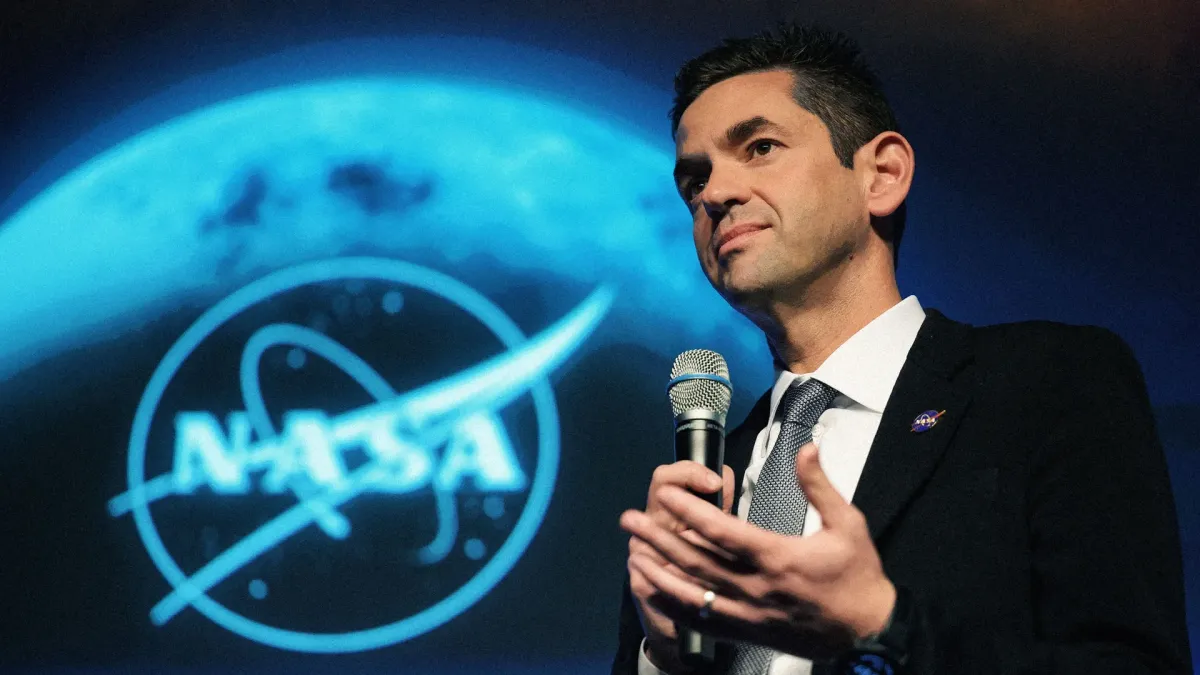
At a ceremony in Corinne, Utah this week, NASA Associate Administrator Amit Kshatriya highlighted the importance of the work being done locally. “It is an important step in the process,” Kshatriya told Northrop Grumman employees as the final booster segments began their journey to Florida, as reported by the Salt Lake Tribune.
Northrop Grumman has long been a key player in the SLS program, producing the five-segment solid rocket boosters that power the rocket off the launch pad. The company’s work on Artemis III continues a production line that has supported every SLS mission to date.
The Broader Business of Artemis
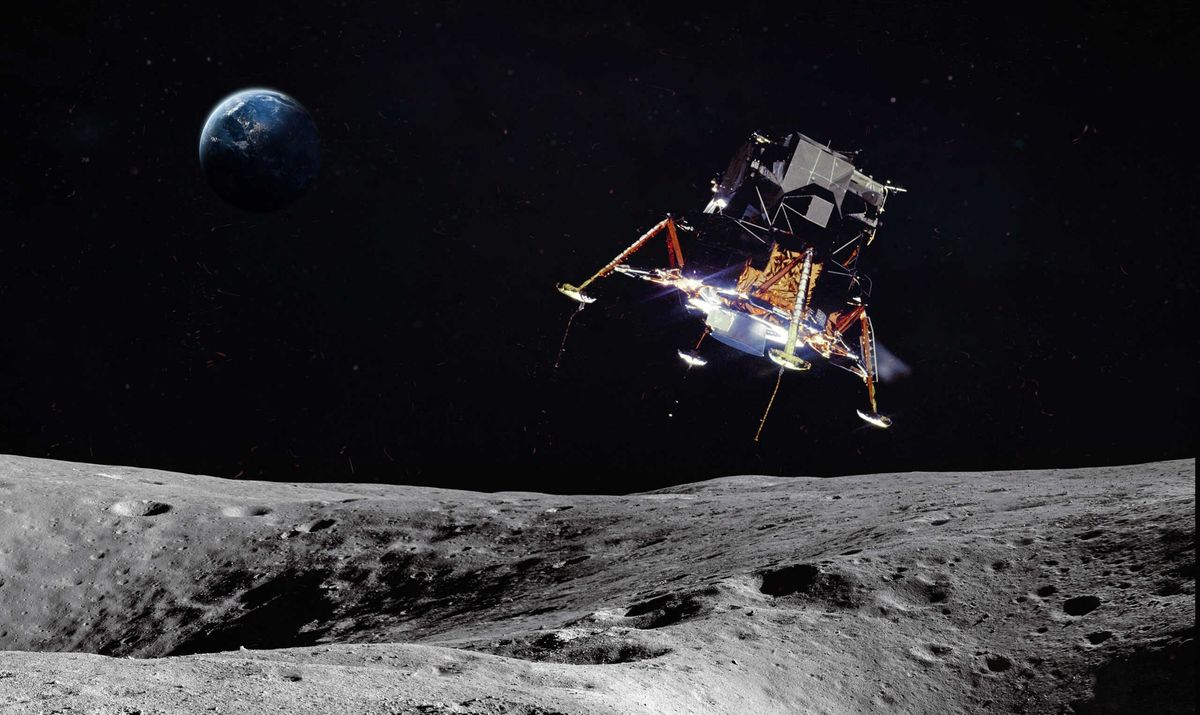
While Northrop Grumman builds the boosters, other major contractors are deeply involved. Boeing is responsible for the SLS core stage, Lockheed Martin leads the Orion spacecraft, and SpaceX is developing the Human Landing System that will eventually carry astronauts to the lunar surface. Blue Origin is also under contract to provide a second lunar lander option.
These contracts represent billions of dollars flowing through the aerospace supply chain, supporting high-skilled jobs across multiple states. As NASA works toward establishing a more sustainable presence on the Moon, the companies building Artemis hardware are positioning themselves at the center of what could become a long-term lunar economy.