

FUTURIST: Tala Goudarzi, partner at The Torridon Group. Former Acting Assistant Secretary and Principal Deputy Assistant Secretary for the Office of Fossil Energy at the U.S. Department of Energy. Deep expertise in energy policy, markets, strategic communications, and stakeholder engagement across government and the private sector.
INFLECTION POINT: The war in Iran and the closure of the Strait of Hormuz delivered a blunt lesson: 20% of global oil still flows through a single vulnerable corridor, and the world is not prepared. When that corridor (or the Strait of Malacca) is disrupted, the effects cascade fast — spiking prices, slowing trade growth from ~4.7% in 2025 to 1.5–2.5% in 2026, triggering capital flight from emerging markets, and producing immediate human costs such as shortened school weeks in Laos and fuel-rationing measures in Bangladesh that include university closures and AC restrictions.
Tala Goudarzi’s message is clear and forward-looking: this is not a one-off crisis. Chokepoint disruptions are becoming a recurring feature of the energy landscape. The geography of vulnerability has not changed, but the tools to reduce dependence on it have. The nations that accelerate diversification, storage, and intelligent systems will weather the next closure with far less damage. Those that do not will face repeated economic shocks and preventable human suffering.
WHY YOU CARE
- Energy security is now national security with immediate domestic consequences. Price spikes and supply shortfalls no longer stay contained to energy markets — they drive inflation, weaken currencies, raise borrowing costs, and force difficult choices on governments (schools, power rationing, public health).
- The leverage of chokepoints is erodible. Technology and infrastructure choices made today can materially shrink the strategic importance of the Strait of Hormuz or Malacca within the next decade.
- Delay is expensive. Every year spent on short-term price management instead of long-term resilience locks in greater vulnerability for the next disruption.
- The window for advantage is open but narrowing. Countries and companies that move fastest on storage, distributed generation, AI grid tools, and flexible import infrastructure will gain both economic resilience and geopolitical breathing room.
NEAR-TERM CATALYSTS (0–36 MONTHS)
- Storage and grid modernization mandates or incentives will accelerate in multiple countries as the Hormuz shock forces emergency planning reviews.
- AI-powered grid optimization and digital trading platforms will see faster pilot-to-deployment cycles as operators seek tools to stretch existing supply during crises.
- LNG and FSRU expansion will continue as nations prioritize flexible, non-pipeline import options.
- Small modular reactor (SMR) and microgrid projects will move from planning to groundbreaking in more jurisdictions seeking distributed resilience.
- Policy reviews in the U.S. and allied nations will test whether the crisis produces durable, less politicized long-term energy strategies or reverts to short-term fixes.
HORIZON SCAN (2027–2035) By the early 2030s, leading nations will operate energy systems with significantly lower single-point-of-failure exposure. High penetration of grid-scale and long-duration storage, AI-optimized interconnected grids, diversified LNG and alternative import infrastructure, and growing shares of modular nuclear plus decentralized renewables will allow many countries to absorb major chokepoint closures with minimal blackouts, rationing, or economic whiplash.
The gap between resilient and vulnerable nations will widen. Countries that treat energy diversification and technology deployment as core national security priorities will enjoy greater strategic autonomy and lower crisis costs. Those that remain heavily dependent on narrow maritime corridors or single fuel types will face recurring instability, higher borrowing costs, and pressure on social cohesion. The next Hormuz-style event will not create this divergence — it will reveal and accelerate it.
RECOMMENDED ACTIONS
- Plan for the next disruption, not the last price spike. Shift from reactive price management to proactive resilience planning that includes storage targets, diversified supply chains, and distributed generation.
- Deploy the technologies that shrink chokepoint leverage. Prioritize grid-scale and long-duration storage, AI grid optimization, FSRUs and flexible LNG, microgrids/SMRs, and real-time digital trading/forecasting platforms.
- Diversify aggressively across fuels, sources, and geographies. No single corridor, technology, or fuel should dominate to the point of creating new vulnerabilities.
- Depoliticize long-term infrastructure decisions. Build durable policy frameworks that survive election cycles so capital can flow into multi-year projects with confidence.
- Treat energy resilience as alliance and development policy. Support partners in building their own diversified systems — it reduces global contagion risk and strengthens collective security.
The Strait of Hormuz will not be the last chokepoint tested. The question Tala Goudarzi forces decision makers to answer is whether they will still be reacting to the last crisis when the next one arrives — or whether they will have already built systems that make such crises far less consequential.





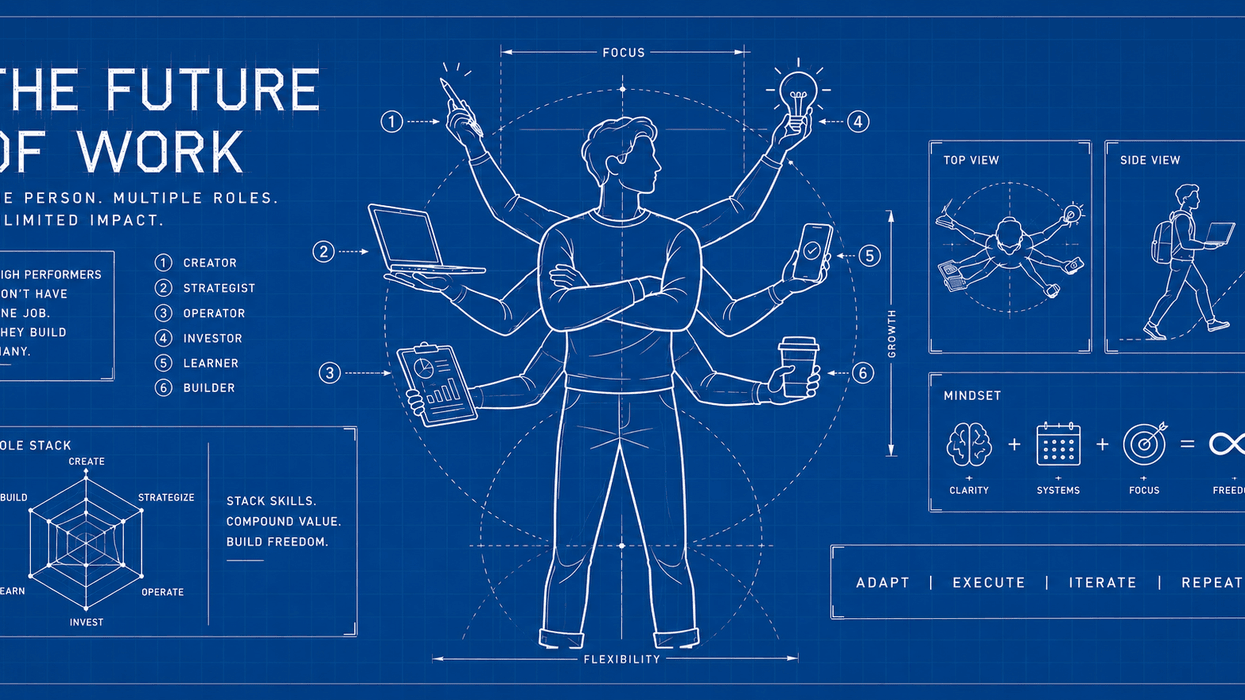
 Why Top Talent Is No Longer Betting Everything on One Employer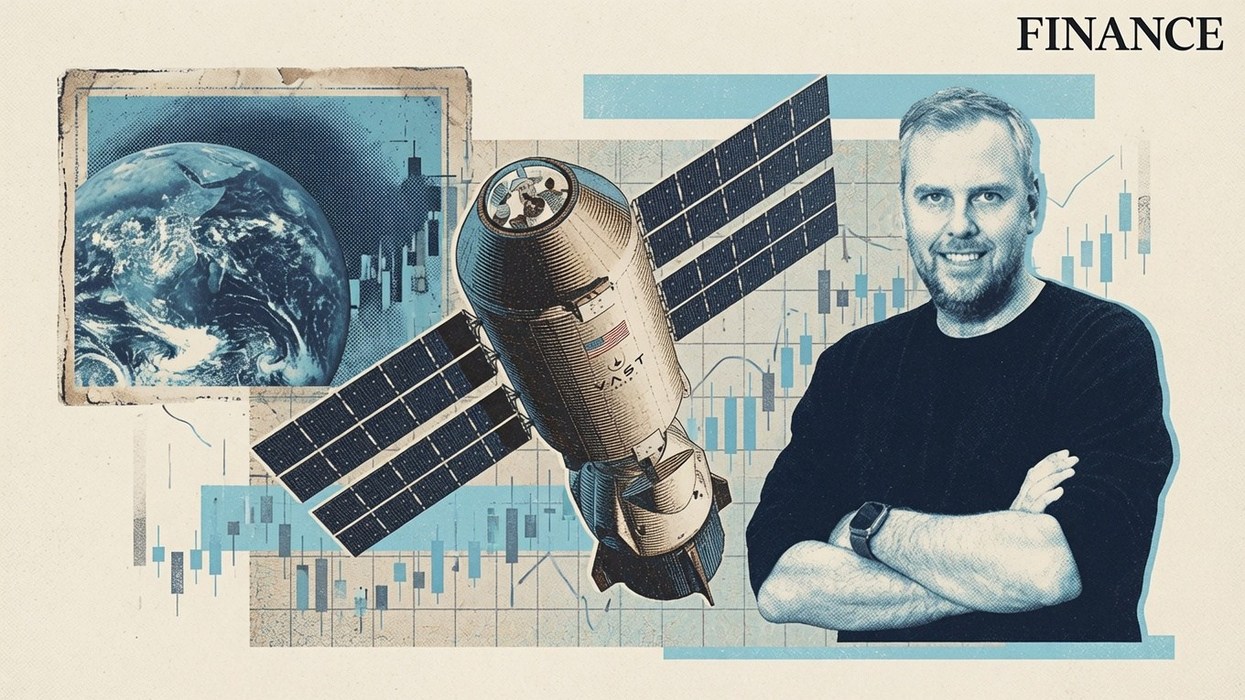


 Meet the CEO Who Wants to Replace the International Space Station mtf.tv