
WASHINGTON, June 5, 2026 — Boeing is firing up a brand new 737 MAX assembly line next month as it tries to rebuild production momentum. While it may look like a routine factory update, it’s actually a signal that one of America’s most important aerospace companies is attempting to regain its footing — and that has real implications for the future of both commercial aviation and space exploration.
CEO Kelly Ortberg told CNBC earlier today that the new final assembly line in Everett, Washington, will start operations on July 6. The line is expected to help Boeing increase 737 MAX production to 52 jets per month next year, with longer-term studies even exploring rates as high as 70 per month.
“We are ready... We’re trying to reset that track record,” Ortberg told CNBC. “We’ve made sure that we’re not moving until the production system is stable.”
This isn’t just about catching up on past mistakes. A strong, reliable commercial aircraft production base supports the industrial ecosystem — suppliers, engineers, and skilled labor — that also powers America’s ambitions in space. When Boeing builds planes at scale, it strengthens the broader aerospace foundation that future lunar and deep-space programs will rely on.
Boeing’s Comeback?
Boeing has spent the past two years working to regain trust after the January 2024 door plug incident and repeated delays with its Starliner spacecraft. NASA is currently reviewing the timeline for Starliner’s next uncrewed test flight following the troubled crewed mission in 2024.
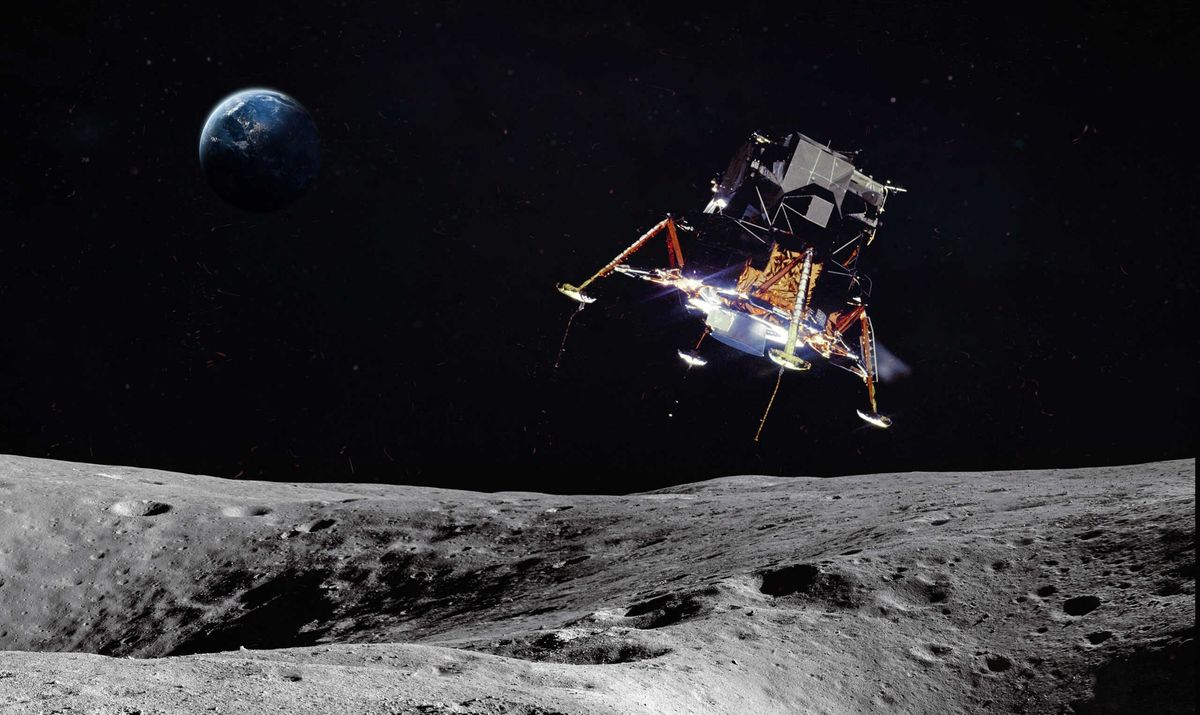
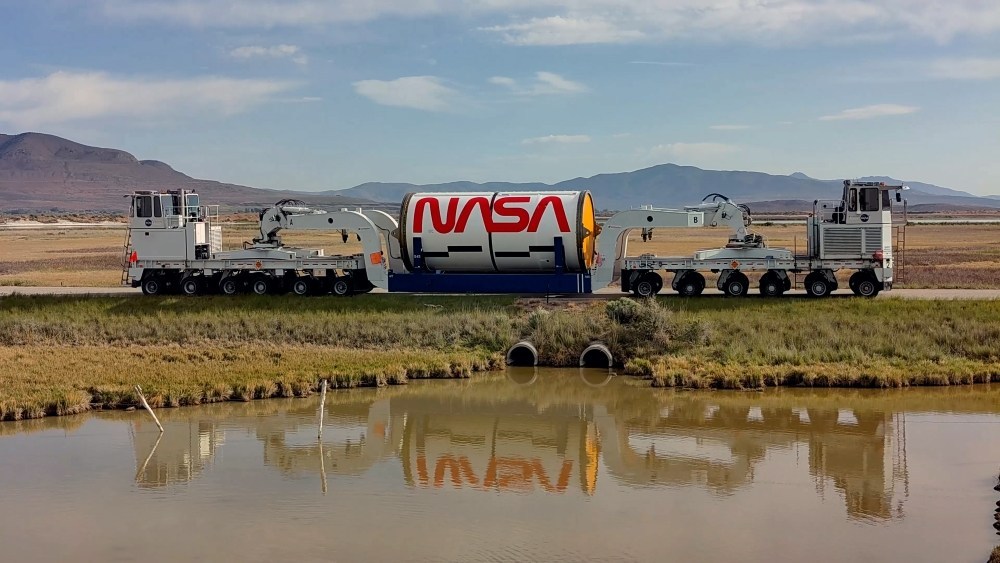
At the same time, Boeing continues to play a supporting role in NASA’s lunar plans. The company contributed components to the successful Artemis II mission and is now supplying a modified 737-700 that NASA will convert into its next reduced-gravity test aircraft — the successor to the famous “Vomit Comet” — to simulate lunar gravity conditions for Artemis equipment and training.
Boeing Stock Performance
Boeing shares have been roughly flat year-to-date, showing little net movement while the broader market has posted solid gains. The stock has yet to fully reflect the company’s operational progress on the 737 program or its continued work on NASA contracts. Investors appear to be waiting for more consistent evidence of production stability and progress on Starliner before giving the stock a stronger vote of confidence.
Production Rates and the China Market
At its peak before the 2019 grounding, Boeing was producing around 57 737s per month. It is currently running at roughly 42–47 jets per month and is targeting 52 next year. By comparison, Airbus has been producing A320-family aircraft at a rate of around 65–75 per month, giving it a clear lead in narrowbody output and a significantly larger backlog.
China has historically been one of Boeing’s largest customers, often accounting for nearly 20% of its commercial aircraft sales. However, deliveries to Chinese airlines were largely halted for years due to the MAX grounding and geopolitical tensions. In recent months, that picture has started to shift. China has agreed to purchase around 200 Boeing aircraft as part of broader trade discussions, ending a long sales drought — though the number is smaller than some earlier expectations of 500 or more.
Why This Matters for the Future
A stable, high-rate commercial aircraft production line is more than just an airline story. Reliable manufacturing at scale supports a deep industrial base that directly feeds into space exploration. As NASA and private companies work toward sustained operations on the Moon and eventually crewed missions to Mars, they will need strong aerospace partners who can deliver at volume. Boeing’s ability to stabilize and grow its production capacity will help determine how quickly and reliably those long-term goals can move forward.
Sources








 Source: The Planetary Society