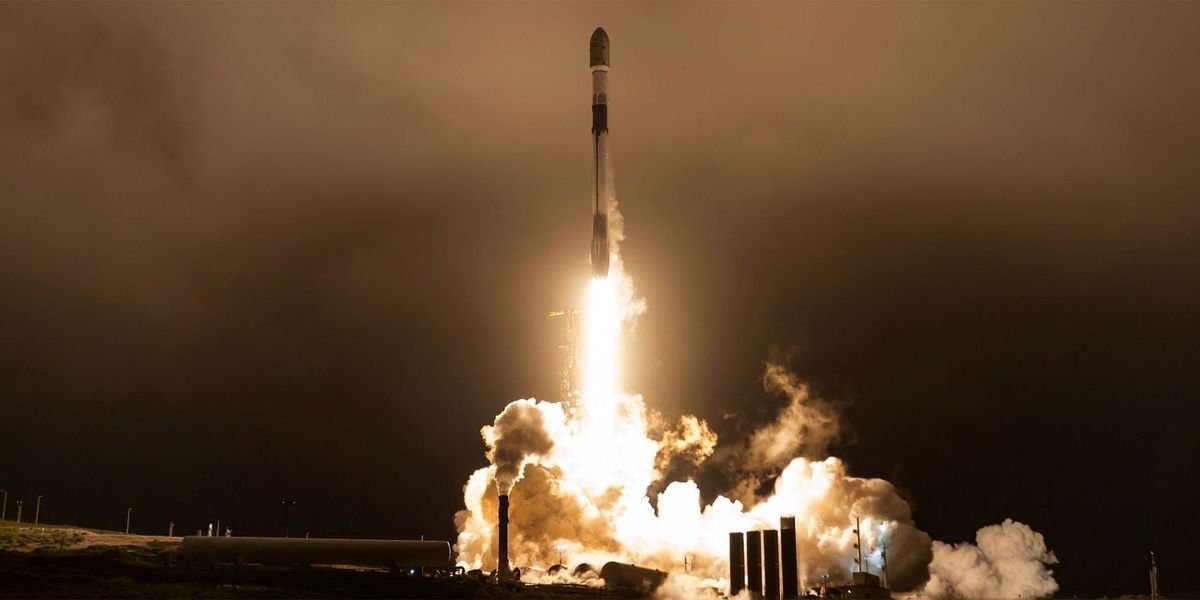
WASHINGTON, June 9, 2026 — NASA is standing by Blue Origin despite a recent explosion during testing of the company’s New Glenn rocket, as the agency moves forward with plans to use the vehicle in its Artemis lunar exploration program.
Blue Origin’s New Glenn heavy-lift rocket suffered an anomaly during a test last month, raising questions about its readiness timeline. Despite the setback, NASA officials said June 9 they remain committed to working with the company on its lunar lander and launch vehicle plans.
NASA and Blue Origin were very up front and overt explaining what they’re doing to get back on track,” space community executive Rich Cooper — who advises some of the nation’s leading space companies and organizations — told mtf.news founder Kevin Cirilli.
NASA Backs Blue Origin After Setback
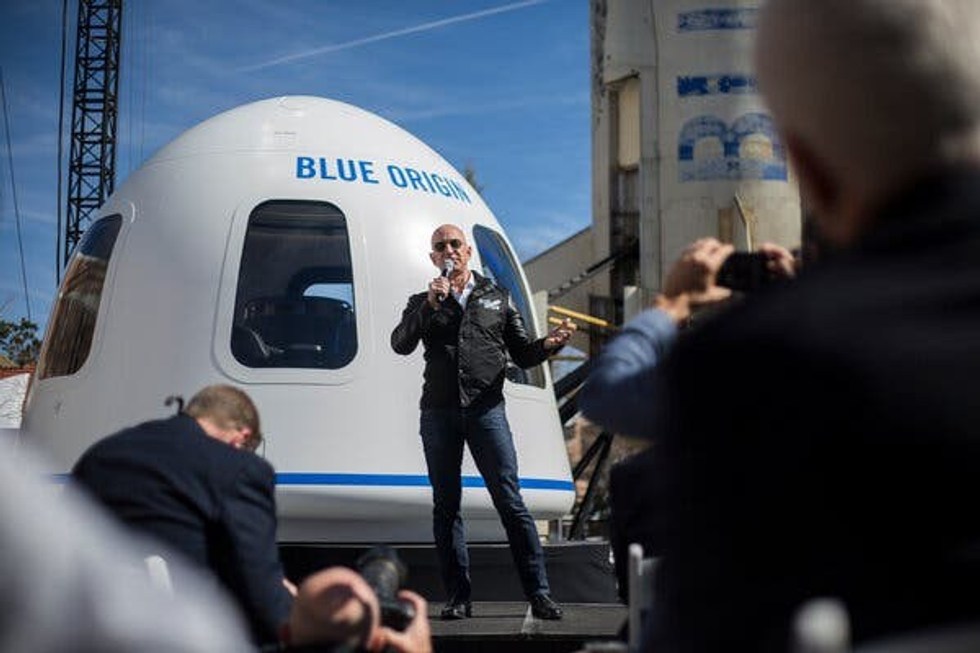
New Glenn is Blue Origin’s large orbital rocket designed to compete with vehicles such as SpaceX’s Falcon Heavy. It is intended to launch commercial satellites and support NASA missions, including lifting elements of the company’s Blue Moon lunar lander under the Artemis program. Development of New Glenn has cost Blue Origin billions of dollars, primarily funded by founder Jeff Bezos.
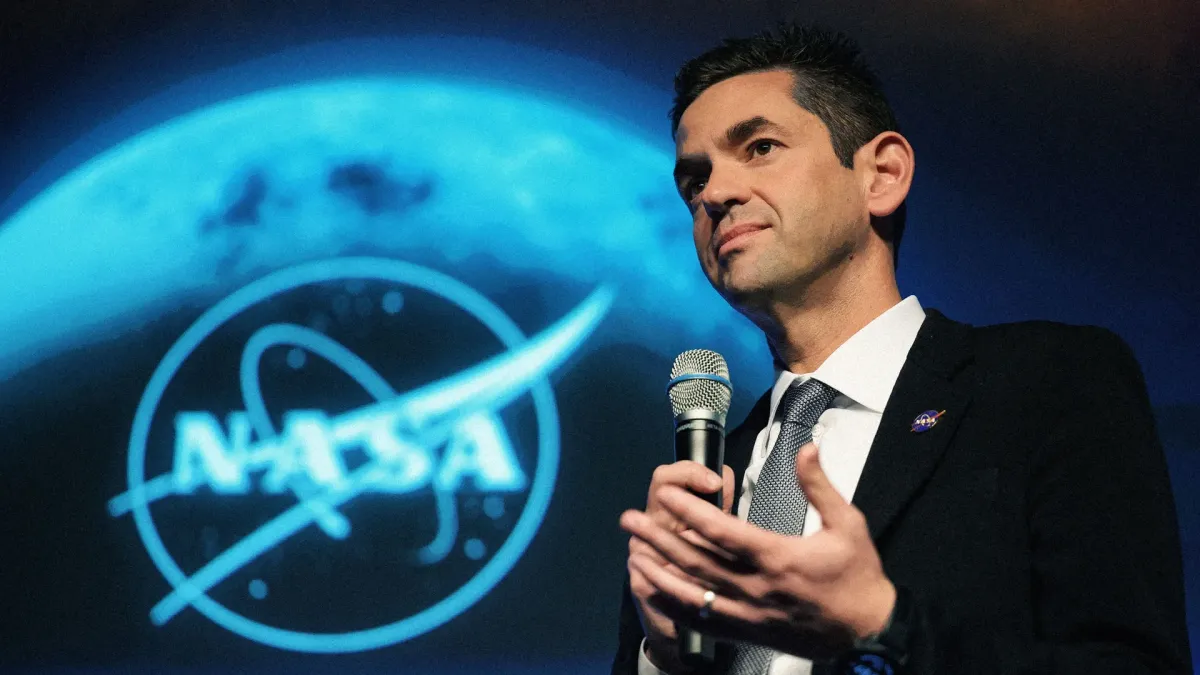
Jeremy Parsons, a senior NASA official, acknowledged the recent test failure but said the agency is actively supporting its commercial partners.
“While we recognize there are questions about how Blue Origin’s recent anomaly impacts our plans, setbacks are a learning opportunity,” Parsons said at Kennedy Space Center earlier Tuesday. “We are confident that New Glenn will be ready for Artemis 3 together with Blue Origin. But NASA is stepping in and bringing all of our expertise and capabilities to bear.”
Parsons added that NASA is providing Blue Origin and other partners with access to agency experts, test facilities, and technology development resources across its centers.
Artemis III Crew Named
NASA also named the crew for its Artemis III mission during the same event. The four-person crew includes NASA astronaut Randy Bresnik as commander, European Space Agency astronaut Luca Parmitano as pilot, and NASA astronauts Andre Douglas and Frank Rubio as mission specialists. Bob Hines was named as the backup crew member.
Artemis III is now planned as a crewed test flight in low Earth orbit. Its main objective is to demonstrate rendezvous and docking between NASA’s Orion spacecraft and commercial lunar landers from SpaceX and Blue Origin. The mission is intended to reduce risk before Artemis IV, the first crewed lunar landing currently targeted for 2028.
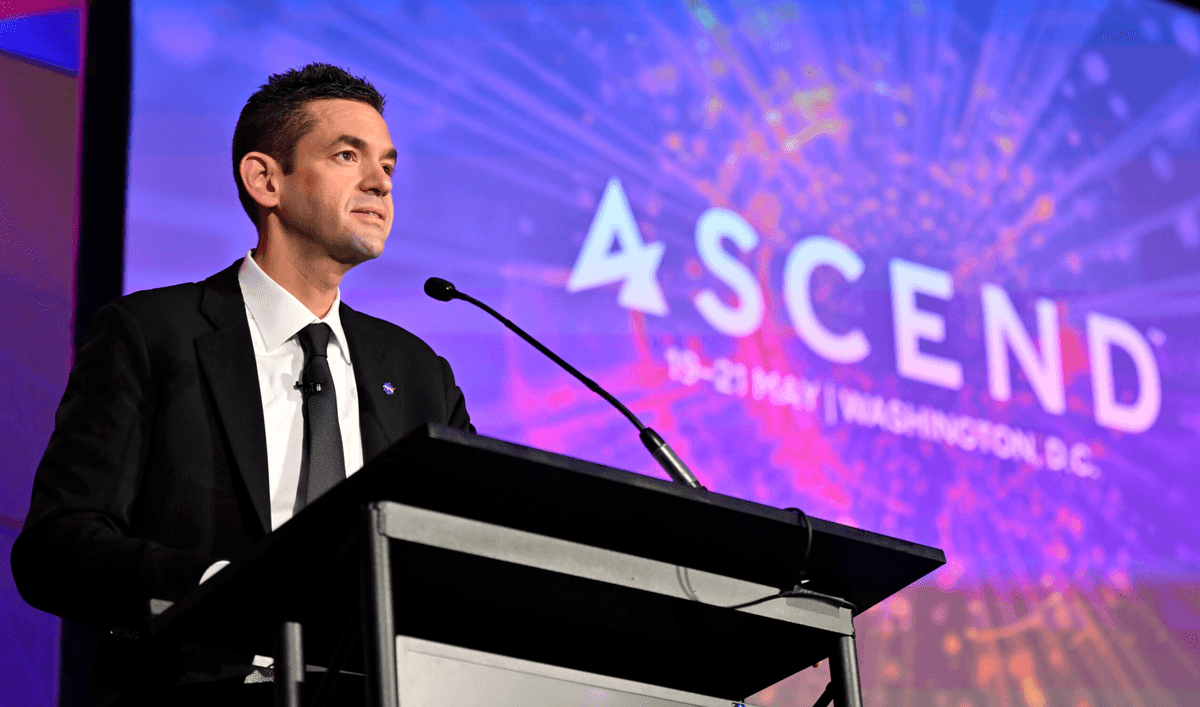
“We will not slow down,” NASA Administrator Jared Isaacman said at Kennedy Space Center earlier Tuesday. “To realize this space-bearing future — we will work tirelessly to ignite an orbital and someday perhaps even a lunar economy working alongside industry to usher in the first commercial space stations.”
Program Costs and Contractors
Several major contractors are supporting the Artemis program. Northrop Grumman holds a $3.19 billion contract to produce solid rocket boosters for the Space Launch System and recently shipped the final booster segments for Artemis III. Boeing builds the SLS core stage, while Lockheed Martin is the prime contractor for Orion.
Individual Artemis missions are estimated to cost between $4 billion and $5 billion. The broader program has already incurred roughly $93 billion in spending since 2012, according to NASA’s Office of Inspector General.
Sources